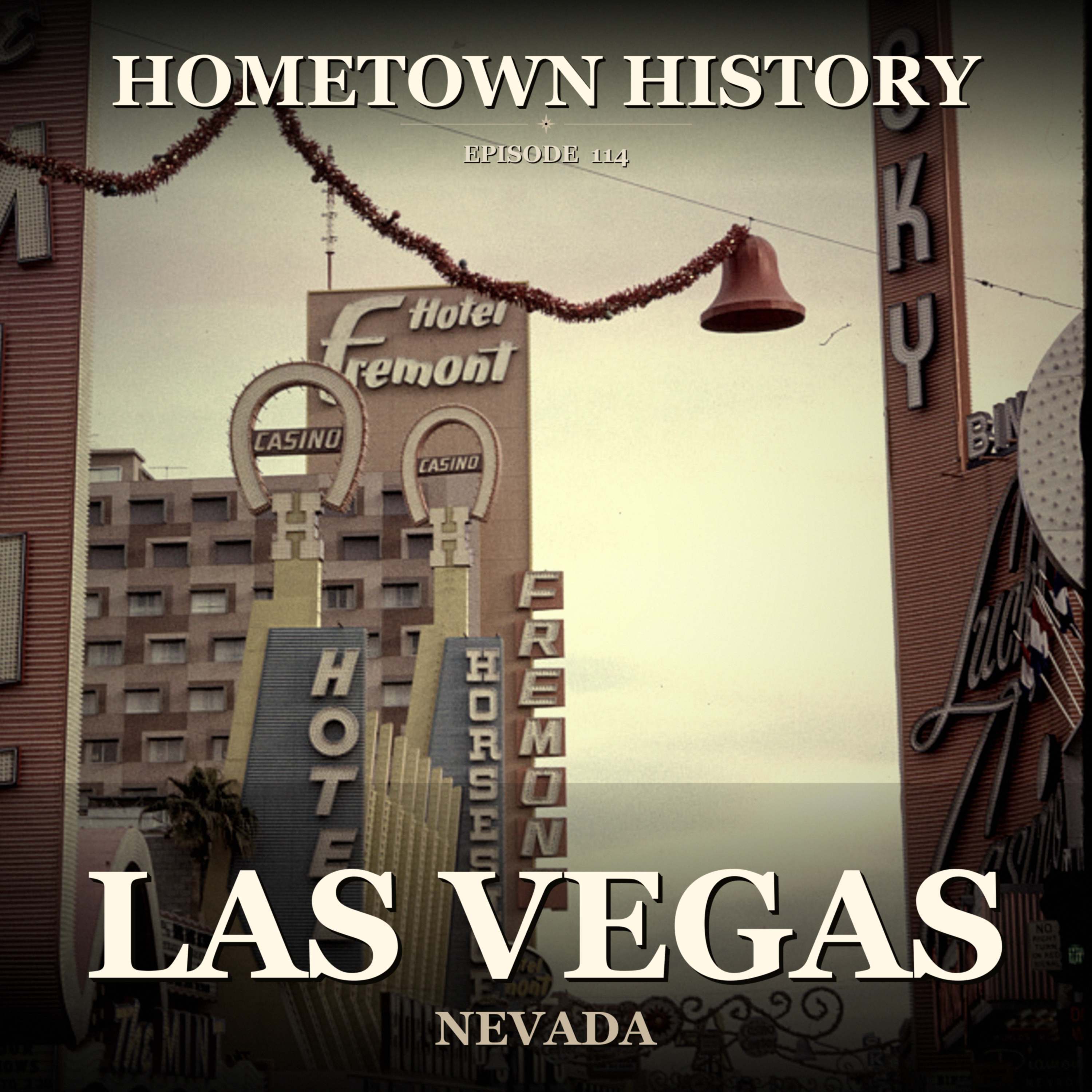
Forgotten stories from America's small towns.Hosted by Shane Waters31 min episode
Las Vegas: From Railroad Stop to Sin City
Transcript
298 segmentsShow Notes
Today, you go anywhere and you say, ah, I'm from Las Vegas. Whoa, really? And yet, to this day, people will say, what hotel do you live in? Are you kidding me? You've got 3 million people living here. Are you kidding me? No. And yet, I've had that. I've had people say, you run a museum there? What is it? About poker chips or something? No, it's a museum. I run three museums, or I did. I was like, really? Yes. Three museums in five locations with a sixth outreach. Okay.
WHY THIS MATTERS
The story of Las Vegas is a reminder that the events that shaped America didn't always happen in the biggest cities. What unfolded here left marks on the community that are still visible today. The full story is more complicated, and more human, than the version most people know.
Episode 114 | Hometown History | Hosted by Shane Waters
If you liked this: Episode 91 (Reno, Nevada)
Hometown History explores forgotten stories from small-town America. The overlooked events, hidden triumphs, and buried tragedies that shaped the country we live in. New episodes every Tuesday. Find every episode at mythsandmalice.com/hometown-history
Advertising Inquiries: https://redcircle.com/brands
Privacy & Opt-Out: https://redcircle.com/privacy
Credits
Shane Waters, Founder & Host
Produced by Myths & Malice
Listen to Hometown History
Get More from Hometown History
Unlock exclusive content and support the show.
- Ad-free listening
- Early access to episodes
- Bonus episodes
- Support independent podcasting
the M&M Dispatch
Get new Hometown History episodes and the stories behind the towns we visit.
Enjoying Hometown History?
Leave a rating on Apple Podcasts. It takes a few seconds and helps new listeners find the show.