Forgotten stories from America's small towns.Hosted by Shane Waters19 min episode
When Las Vegas Marketed Atomic Bomb Tests
Transcript
165 segmentsShow Notes
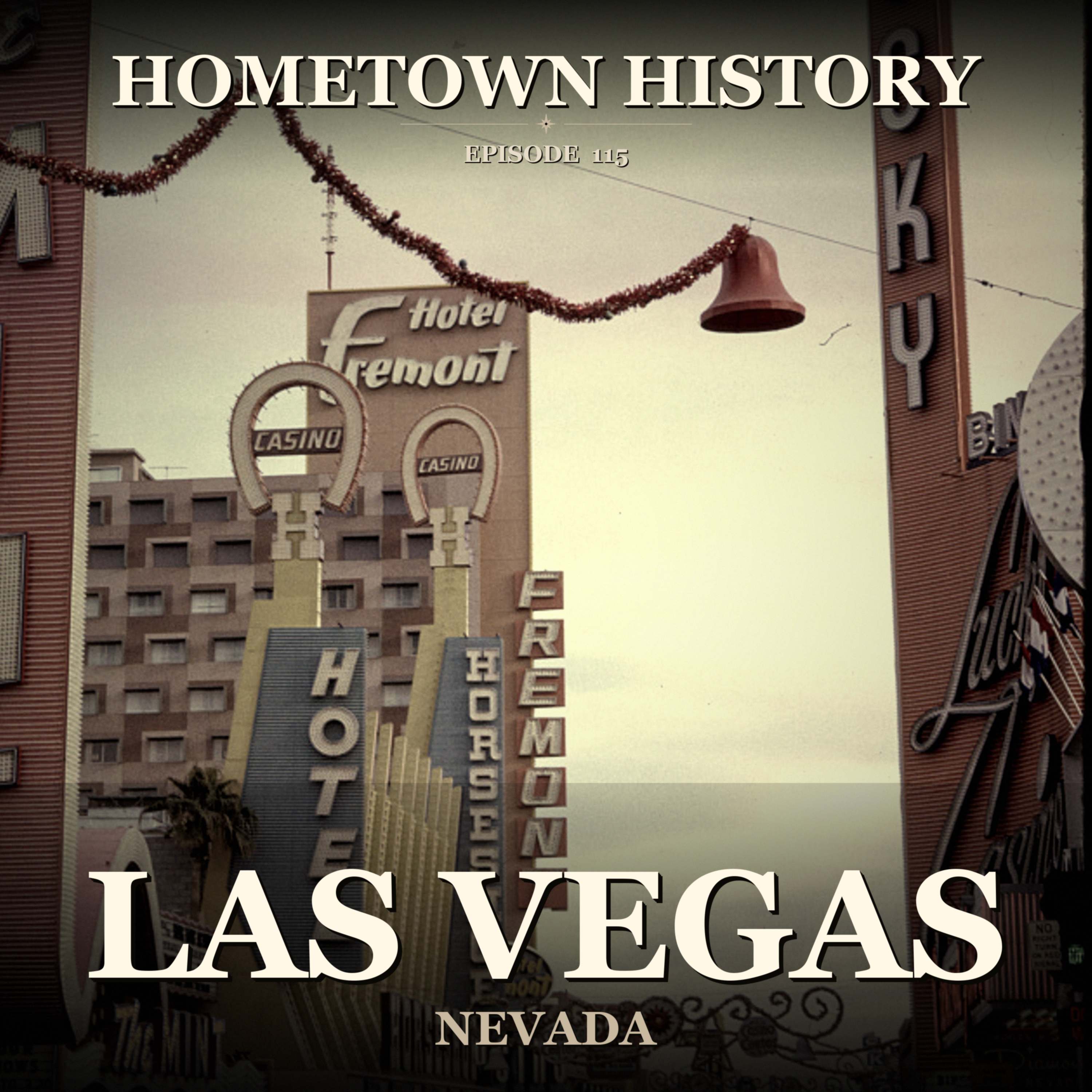
Las Vegas, Nevada. How would you feel about pulling up a lawn chair to watch a nearby explosion of an atomic bomb? Believe it or not, this used to be common. When the U.S. government chose a nuclear testing site about 60 miles outside of Las Vegas, the city did what it did with just about everything else. It turned it into a marketing campaign. It used the proximity of these massive radioactive disasters to get more people to come to Vegas.
WHY THIS MATTERS
The story of Las Vegas is a reminder that the events that shaped America didn't always happen in the biggest cities. What unfolded here left marks on the community that are still visible today. The full story is more complicated, and more human, than the version most people know.
Episode 115 | Hometown History | Hosted by Shane Waters
If you liked this: Episode 91 (Reno, Nevada)
Hometown History explores forgotten stories from small-town America. The overlooked events, hidden triumphs, and buried tragedies that shaped the country we live in. New episodes every Tuesday. Find every episode at mythsandmalice.com/hometown-history
Advertising Inquiries: https://redcircle.com/brands
Privacy & Opt-Out: https://redcircle.com/privacy
Credits
Shane Waters, Founder & Host
Produced by Myths & Malice
Listen to Hometown History
Get More from Hometown History
Unlock exclusive content and support the show.
- Ad-free listening
- Early access to episodes
- Bonus episodes
- Support independent podcasting
the M&M Dispatch
Get new Hometown History episodes and the stories behind the towns we visit.
Enjoying Hometown History?
Leave a rating on Apple Podcasts. It takes a few seconds and helps new listeners find the show.