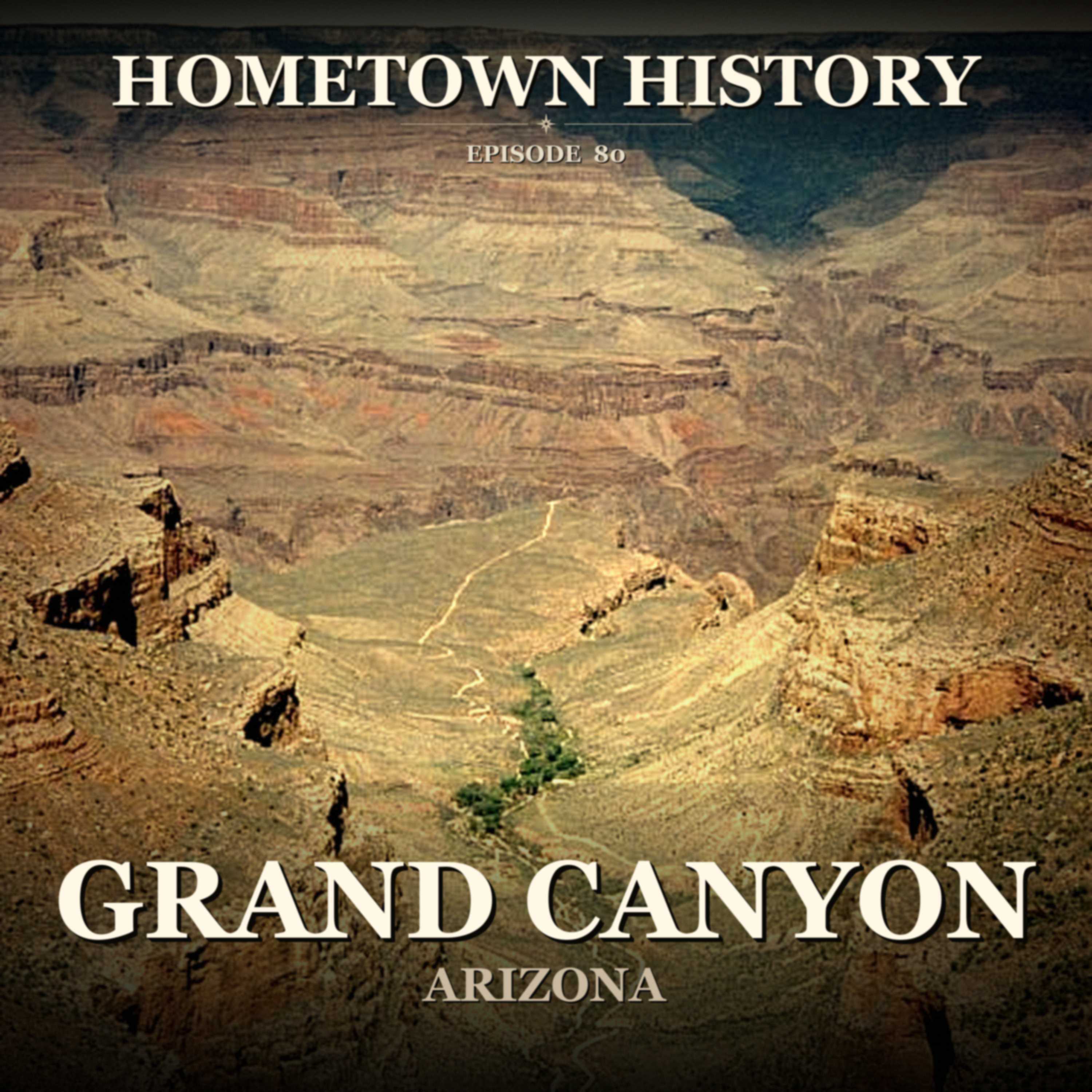
Grand Canyon, Arizona: The Hidden History Behind an American Icon
Show Notes
The Grand Canyon stands as one of America's most recognizable natural wonders, drawing millions of visitors each year to marvel at its layered rock formations and vast scale. But beneath the tourist veneer lies a far richer tapestry of stories—tales of ancient civilizations, daring expeditions, and the women who helped transform the American West. This episode explores the canyon's hidden history, from the indigenous peoples who called it home for millennia to the pioneering figures who shaped how we experience it today.
Long before European explorers arrived, Native American tribes including the Havasupai, Hualapai, Hopi, Paiute, and Navajo established deep cultural and spiritual connections to the Grand Canyon. For these communities, the canyon wasn't merely a geographic feature but a sacred landscape woven into their origin stories and daily lives. The Havasupai, whose name translates to "people of the blue-green waters," have inhabited the canyon's depths for over 800 years, making them one of the most isolated communities in the continental United States. Their relationship with this landscape predates recorded American history by centuries, offering perspectives on the canyon that challenge conventional tourist narratives.
In 1869, Civil War veteran John Wesley Powell led the first documented expedition through the Grand Canyon by boat—a harrowing journey that would last 98 days and nearly claim multiple lives. Powell, who had lost his right arm at the Battle of Shiloh, commanded a crew through uncharted rapids with wooden boats and limited supplies. His detailed geological observations and mapping efforts transformed scientific understanding of the region and laid groundwork for its eventual preservation. Powell's expedition journals describe a landscape both magnificent and terrifying, where sheer cliffs rose thousands of feet above churning waters and each bend threatened disaster.
By the early 20th century, the Fred Harvey Company revolutionized Western tourism by creating a network of restaurants, hotels, and rail services along the Santa Fe Railway route. Central to this transformation were the Harvey Girls—young women recruited from Eastern cities to work as waitresses in Harvey Houses across the frontier. These women brought Eastern standards of service and propriety to rough Western towns, earning reputations for their professionalism and independence. At the Grand Canyon's El Tovar Hotel, Harvey Girls served tourists in starched uniforms while living under strict company rules governing their conduct and appearance. Their presence helped "civilize" frontier tourism while offering women unprecedented opportunities for financial independence and adventure beyond traditional domestic roles.
Timeline of Events:
- Pre-1540: Havasupai, Hualapai, Hopi, Paiute, and Navajo tribes establish settlements and spiritual practices throughout the Grand Canyon region
- 1869: Major John Wesley Powell leads the first documented expedition through the Grand Canyon by boat (May 24 - August 30)
- 1883: Fred Harvey begins hiring Harvey Girls to staff restaurants along the Santa Fe Railway route
- 1919: Grand Canyon achieves National Park status, permanently protecting the landscape and its resources
Historical Significance:
The Grand Canyon's history illustrates how American perceptions of "wilderness" have evolved from obstacle to scientific wonder to tourist destination. Powell's expedition provided crucial geological data that supported early conservation efforts, while the Harvey Company demonstrated how commercialization and preservation could coexist—for better or worse. The Harvey Girls phenomenon reveals tensions between women's liberation and corporate control, as these workers gained independence while conforming to rigid behavioral standards. Most significantly, the canyon's history reminds us that Indigenous peoples maintained complex relationships with this landscape long before it became a national symbol, raising ongoing questions about whose stories get told and whose get marginalized in official historical narratives.
Sources & Further Reading:
- National Park Service - Grand Canyon National Park Official History
- "Down the Great Unknown: John Wesley Powell's 1869 Journey" by Edward Dolnick
- "The Harvey Girls: Women Who Opened the West" by Lesley Poling-Kempes
- Havasupai Tribe Official Website
- John Wesley Powell's "The Exploration of the Colorado River and Its Canyons" (1875)
- Fred Harvey Company Archives, University of Arizona Special Collections
Support this podcast at — https://redcircle.com/hometownhistory/exclusive-content
Advertising Inquiries: https://redcircle.com/brands
Privacy & Opt-Out: https://redcircle.com/privacy
Credits
Shane Waters — Founder & Host
Produced by Myths & Malice