Show Notes
Between 1934 and 1938, a methodical killer terrorized Cleveland's Kingsbury Run, leaving behind 13 dismembered, decapitated bodies—many drained of blood and treated with chemical preservatives. The victims were mostly transients from the area's "hobo jungle," making identification nearly impossible. Each discovery revealed the killer's disturbing signature: surgical precision, complete dismemberment, and missing heads.
Mayor Harold Burton brought in Elliott Ness, the legendary lawman who had taken down Al Capone, to crack the case. Despite conducting over 1,500 interviews and identifying two compelling suspects—a bricklayer with connections to victims and a doctor with suspicious medical expertise—Ness never made an arrest. When bodies appeared within view of his office in a macabre taunt, Ness ordered a controversial raid that burned the shantytown to the ground. The murders stopped immediately afterward.
This is the story of Cleveland's most horrifying unsolved mystery, where the identity of the Mad Butcher of Kingsbury Run remains unknown to this day—a case that defeated one of America's most celebrated crime fighters.
Episode Summary
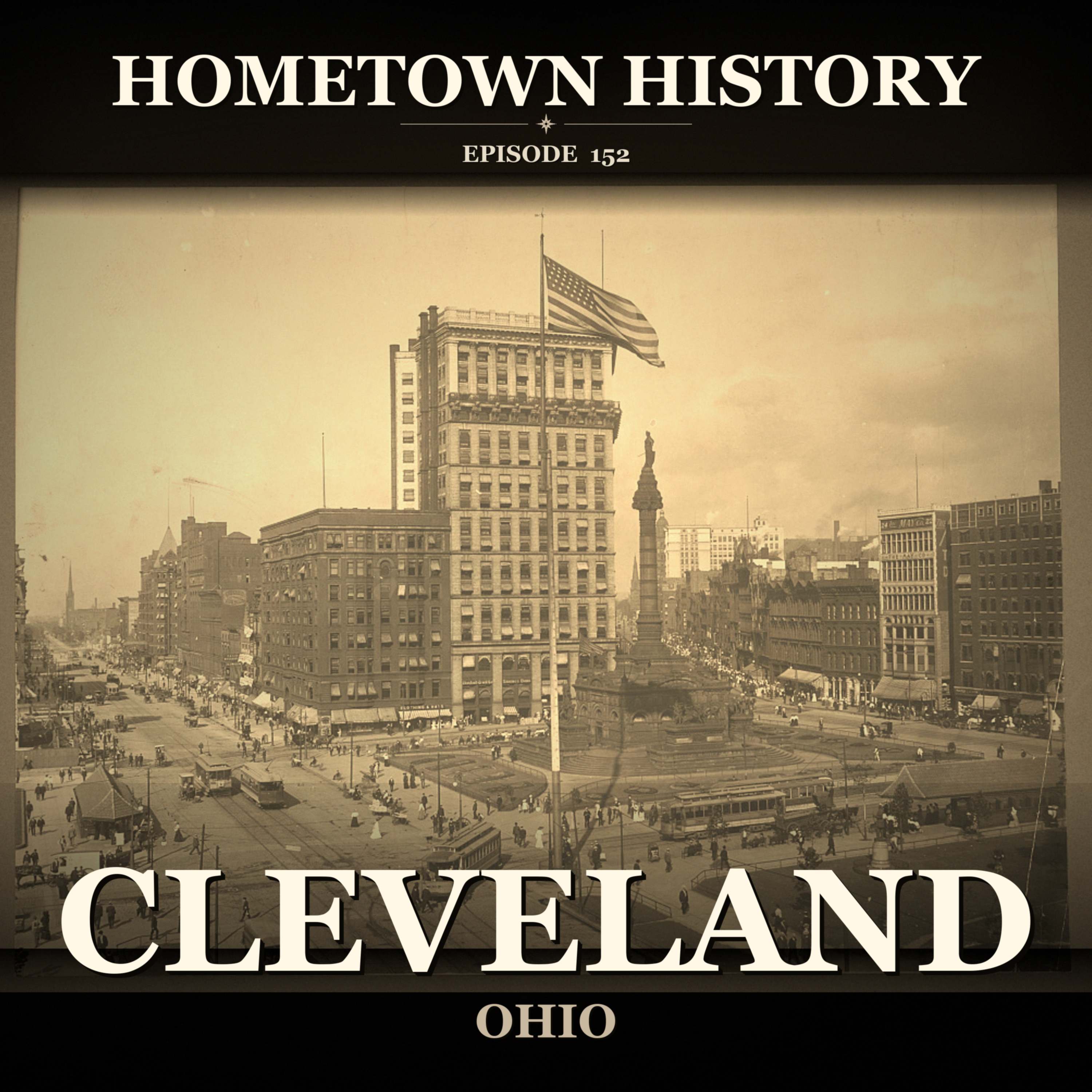
From 1934 to 1938, Cleveland, Ohio became the hunting ground for one of America's most methodical and mysterious serial killers. Thirteen victims—most never identified—were found dismembered and decapitated in the Kingsbury Run area, their bodies bearing the unmistakable signature of surgical precision and chemical preservation. Despite the involvement of legendary lawman Elliott Ness, the identity of the Cleveland Torso Murderer remains unknown.
Key Timeline
- September 5, 1934 - First victim discovered on shores of Lake Erie: dismembered, decapitated woman in her 30s with chemically preserved skin
- September 23, 1935 - Two male victims found at Jackass Hill in Kingsbury Run; one identified as Edward Androssi, hospital orderly
- January 26, 1936 - Florence Pallolo's remains found grotesquely packaged in newspaper inside half-bushel baskets
- June 5-6, 1936 - Severed head found in Kingsbury Run; body dumped audaciously in front of railroad police building
- May 1938 - Official victim count reaches 11; parts of unidentified woman pulled from Cuyahoga River
- August 16, 1938 - Victims 12 and 13 discovered within view of Elliott Ness's office—a grim taunt
- August 1938 - Ness orders massive raid on Kingsbury Run, burning shantytown; murders stop immediately after
The Killer's Signature
All victims shared disturbing similarities that marked the murderer's methodical approach:
- Decapitated (heads often never recovered)
- Dismembered with surgical precision
- Bodies drained of blood completely
- Male victims emasculated
- Skin treated with chemical preservatives, giving red, leathery appearance
- Victims primarily transients from Kingsbury Run's "hobo jungle"
Key Figures
Elliott Ness - Cleveland's Safety Director, famous for leading "The Untouchables" against Al Capone; brought in to solve the torso murders but never made an arrest
Detective Peter Merilo - Lead investigator who reportedly went undercover as vagrant; conducted extensive interviews
Detective Martin Zalowski - Worked alongside Merilo, interviewed over 1,500 people
Frank Dolezal - First suspect; 52-year-old bricklayer with personal connections to multiple victims; confessed under duress then recanted; died under suspicious circumstances in custody
Dr. Francis Sweeney - Strongest suspect; physician with medical expertise to explain surgical dismemberment; failed polygraph test administered by Ness; related to local congressman, making prosecution politically complicated; voluntarily committed to mental institution around time murders stopped
Identified Victims:
- Edward Androssi (28) - Hospital orderly
- Florence Pallolo - Part-time barmaid and sex worker
- Rose Wallace
The Kingsbury Run Context
During the 1930s Great Depression, Kingsbury Run was known as a "hobo jungle"—a bleak area populated by transients, the poor, and those living on society's margins. Near disreputable bars, gambling dens, and brothels, the area provided the killer with vulnerable victims whose disappearances often went unnoticed. The harsh living conditions and transient population made victim identification extraordinarily difficult, with most remaining as John and Jane Does.
The Ness Connection
Elliott Ness's involvement in this case represents one of the few failures in his celebrated law enforcement career. Known for his incorruptibility and success against organized crime, Ness faced a very different challenge with the Cleveland Torso Murderer—a serial killer operating in shadows rather than a criminal empire. His controversial decision to raid and burn the Kingsbury Run shantytown, while criticized as heavy-handed, may have inadvertently stopped the murders by disrupting the killer's hunting ground.
Why the Case Remains Unsolved
Despite extensive investigation and two strong suspects, several factors prevented resolution:
- Victim identification nearly impossible due to transient population
- No witnesses to any murders
- Chemical preservation of bodies complicated forensic analysis
- Political connections protected Dr. Sweeney from prosecution
- Frank Dolezal's dubious confession and suspicious death muddied waters
- Killer's methodical approach left minimal evidence
The Mystery Endures
To this day, the true identity of the Cleveland Torso Murderer remains unknown. Was it Dr. Francis Sweeney, whose commitment to a mental institution coincided with the murders ending? Was Frank Dolezal's confession legitimate despite the coercion? Or was the killer someone else entirely, never even considered a suspect? The answers died with the era, leaving Cleveland with one of true crime's most chilling unsolved mysteries.
Support this podcast at — https://redcircle.com/hometownhistory/exclusive-content
Advertising Inquiries: https://redcircle.com/brands
Privacy & Opt-Out: https://redcircle.com/privacy
Credits
Shane Waters — Founder & Host
Produced by Myths & Malice