Forgotten stories from America's small towns.Hosted by Shane Waters17 min episode
Paul Revere: Boston's Revolutionary Propagandist
Transcript
112 segmentsShow Notes
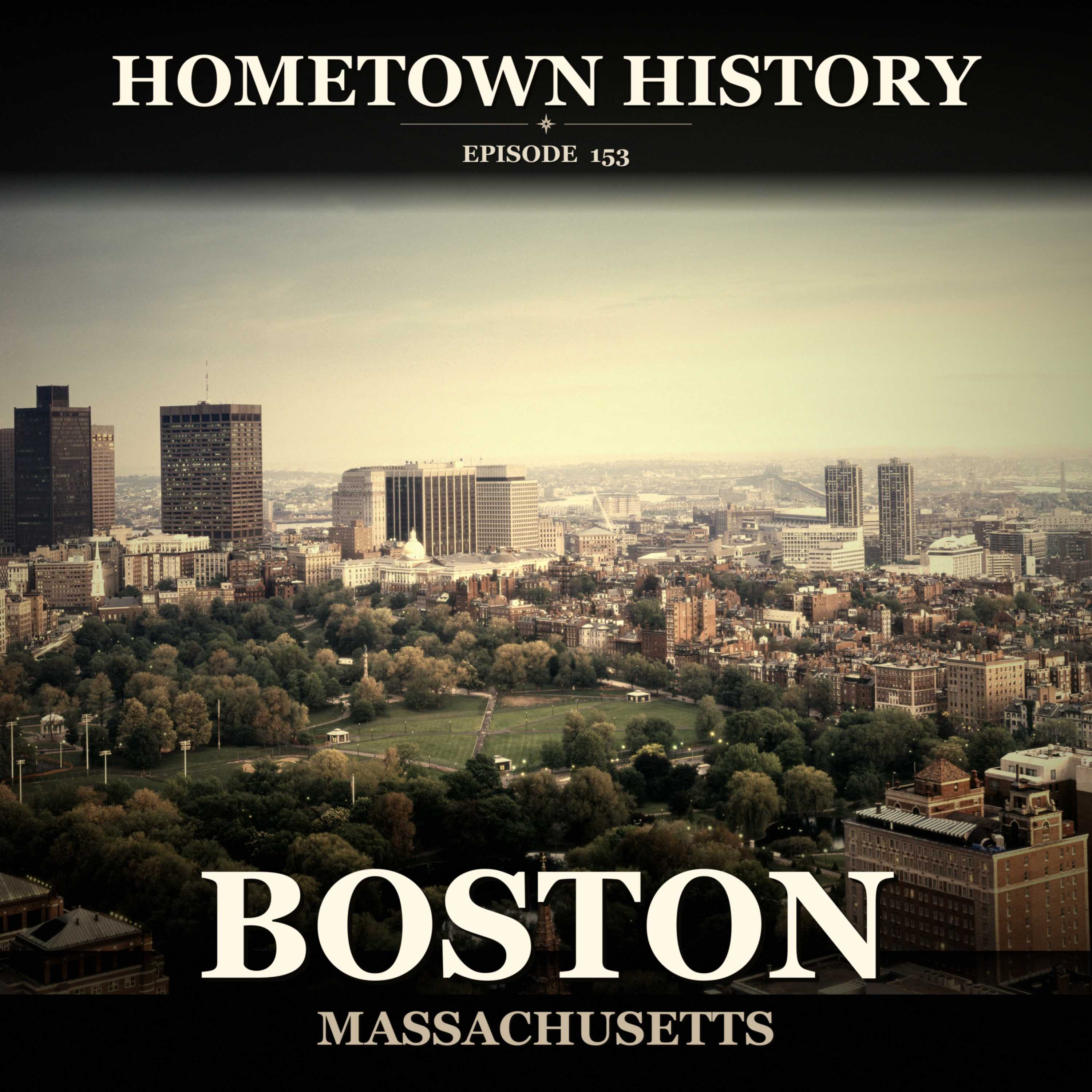
Boston, Massachusetts. The British are coming. A cold spring night, a lone rider, and a warning. The rider pushed through the darkness of the night, alerting people of the imminent danger that was about to hit them, and stirring them to action just as the colonies were about to fight for independence. This rider was Paul Revere, a folk hero of the American Revolution, but also the founding father of propaganda.
TIMELINE
1735: Paul Revere was born on January 1, 1735, in Boston, Massachusetts, which was part of the British Massachusetts Bay Colony at the time.
1763: By 1763, the French and Indian War had ended, leading to major changes and British policies toward the American colonies.
1770: In 1770, tensions between the British and the colonists turned violent.
1773: After this, from 1773 to 1775, Paul made several trips between Boston, New York, and Philadelphia, spreading news and gathering support for the cause.
1775: In April 1775, British troops planned to seize colonial gunpowder stored in Concord, Massachusetts.
1801: In 1801, Revere opened North America's first copper rolling mill, producing rolled copper sheets essential for standardized products like shipbuilding bolts and naval ship sheathing.
WHY THIS MATTERS
The story of Boston is a reminder that the events that shaped America didn't always happen in the biggest cities. What unfolded here left marks on the community that are still visible today. The full story is more complicated, and more human, than the version most people know.
Episode 153 | Hometown History | Hosted by Shane Waters
If you liked this: Episode 179 (Gay Head, Massachusetts)
Hometown History explores forgotten stories from small-town America. The overlooked events, hidden triumphs, and buried tragedies that shaped the country we live in. New episodes every Tuesday. Find every episode at mythsandmalice.com/hometown-history
Advertising Inquiries: https://redcircle.com/brands
Privacy & Opt-Out: https://redcircle.com/privacy
Credits
Shane Waters, Founder & Host
Produced by Myths & Malice
Listen to Hometown History
Get More from Hometown History
Unlock exclusive content and support the show.
- Ad-free listening
- Early access to episodes
- Bonus episodes
- Support independent podcasting
the M&M Dispatch
Get new Hometown History episodes and the stories behind the towns we visit.
Enjoying Hometown History?
Leave a rating on Apple Podcasts. It takes a few seconds and helps new listeners find the show.