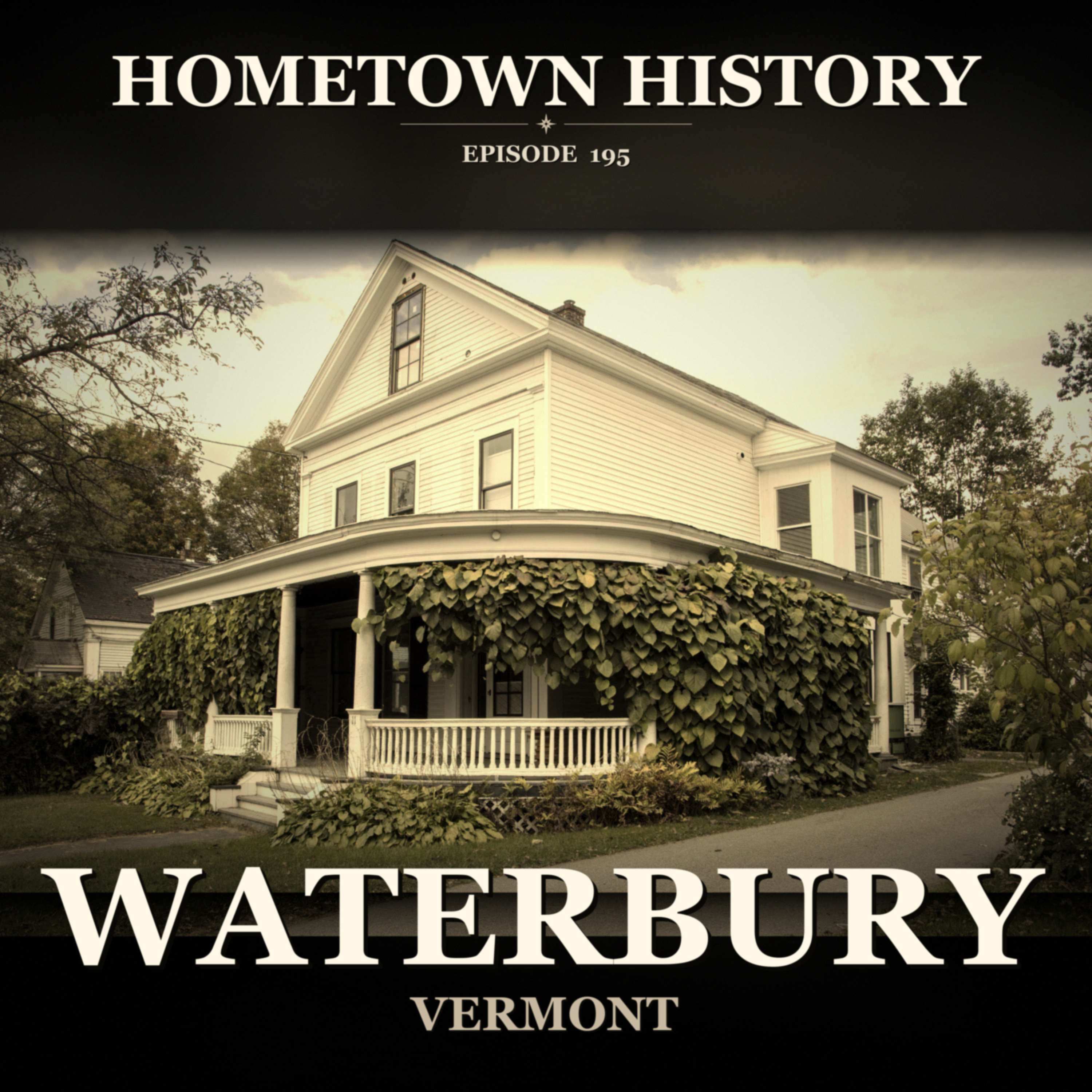
Forgotten stories from America's small towns.Hosted by Shane Waters23 min episode
Waterbury, Vermont: The Asylum That Turned a Towns Name Into a Warning
Transcript
204 segmentsShow Notes
You're standing on Route 100 in Waterbury, Vermont, in November 1891. The air smells like wood smoke and coming snow. Behind you, the last maples hold on to their copper leaves. Ahead on a hill that commands the entire valley, workers are laying the final stones on a building that will change everything. The Vermont State Asylum for the Insane. Four stories of red brick, 200 windows catching the afternoon light, italianate towers that look, from certain angles, almost welcoming.
TIMELINE
1891: The phrase sounds enlightened for 1891.
1925: From 1925 to 1936, the hospital participated in Vermont's eugenics program, sterilizing patients deemed unfit to reproduce.
1975: In 1975, the patient population drops below 600 for the first time in 50 years.
2013: In 2013, the University of Vermont's Eugenics Survey Project publishes new research on the Vermont State Hospital.
WHY THIS MATTERS
The story of Waterbury is a reminder that the events that shaped America didn't always happen in the biggest cities. What unfolded here left marks on the community that are still visible today. The full story is more complicated, and more human, than the version most people know.
Episode 195 | Hometown History | Hosted by Shane Waters
If you liked this: Episode 184 (East Montpelier, Vermont)
Hometown History explores forgotten stories from small-town America. The overlooked events, hidden triumphs, and buried tragedies that shaped the country we live in. New episodes every Tuesday. Find every episode at mythsandmalice.com/hometown-history
Advertising Inquiries: https://redcircle.com/brands
Privacy & Opt-Out: https://redcircle.com/privacy
Credits
Shane Waters, Founder & Host
Produced by Myths & Malice
Listen to Hometown History
Get More from Hometown History
Unlock exclusive content and support the show.
- Ad-free listening
- Early access to episodes
- Bonus episodes
- Support independent podcasting
the M&M Dispatch
Get new Hometown History episodes and the stories behind the towns we visit.
Enjoying Hometown History?
Leave a rating on Apple Podcasts. It takes a few seconds and helps new listeners find the show.