Forgotten stories from America's small towns.Hosted by Shane Waters20 min episode
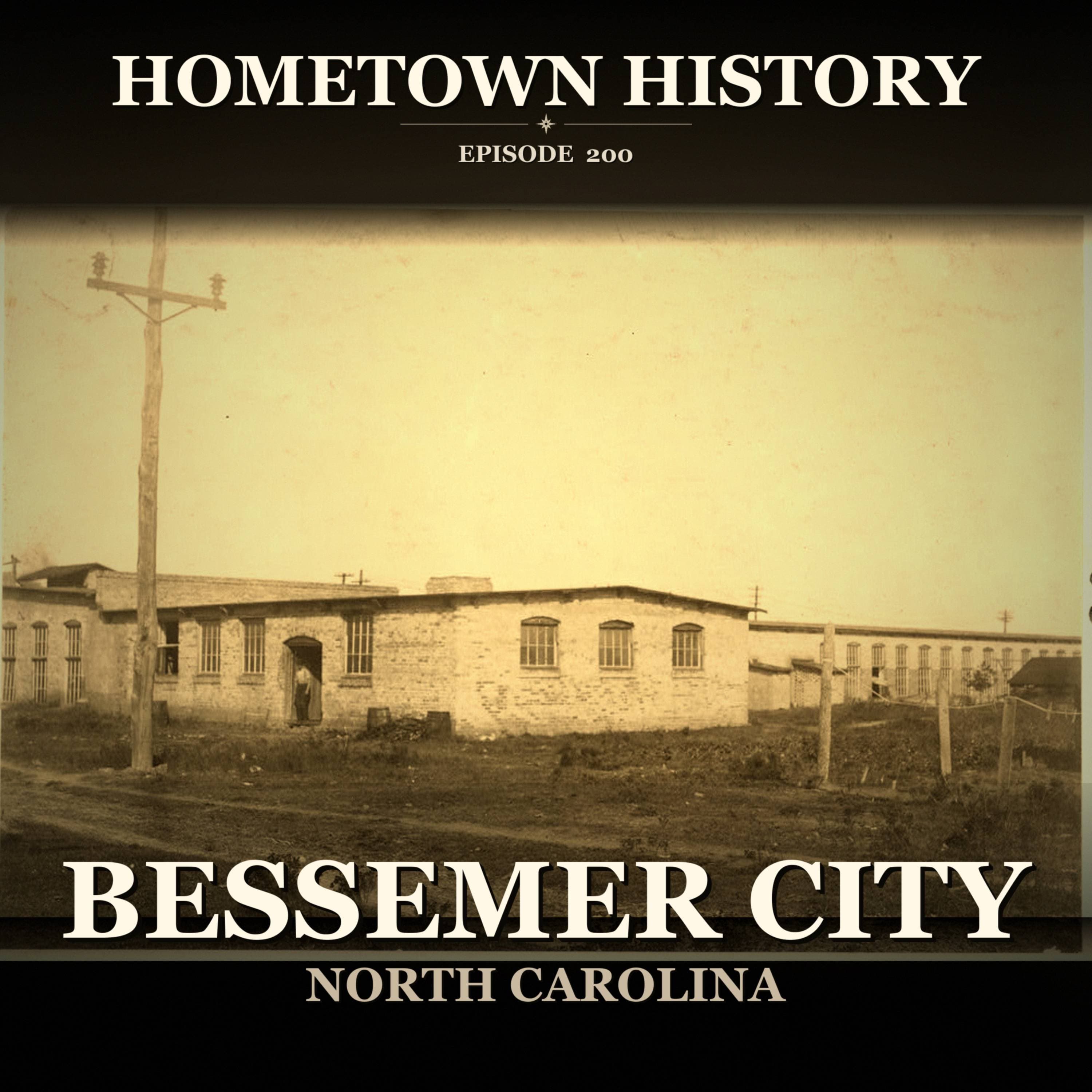
Bessemer City, North Carolina: The Ballad Singer the Mill Bosses Couldn't Silence
Transcript
175 segmentsShow Notes
Bessemer City, North Carolina. September 14th, 1929. A flatbed truck kicks up Red Carolina dust on a back road outside Bessemer City. The boards rattle beneath 22 pairs of feet. No one in the truck bed carries a weapon. They are textile workers heading home from a roadblock that turned them around. They did what they were told. They turned back, and the cars behind them kept coming. In that truck bed, gripping the wooden side rails, a 29-year-old woman feels the September heat press against her skin.
TIMELINE
1927: By 1927, the Loray mill had introduced the stretch-out system, slashing its workforce from $3,500 to $2,200 while demanding the same output.
1929: On March 25, 1929, five workers at the Loray mill were fired for attending a union meeting.
1979: On September 14, 1979, the 50th anniversary of her death, a group of North Carolina women placed a permanent AFL-CIO marker on Ella May Wiggins' grave.
1986: In 1986, North Carolina proposed a historical marker near the Loray Mill.
2013: In 2013, after 27 years of resistance, a revised historical marker was approved.
2017: Wiley Cash, in his 2017 Southern Book Prize winning novel, The Last Ballad, brought Ella Mae's story to a generation that had never heard it.
WHY THIS MATTERS
The story of Bessemer City is a reminder that the events that shaped America didn't always happen in the biggest cities. What unfolded here left marks on the community that are still visible today. The full story is more complicated, and more human, than the version most people know.
Episode 200 | Hometown History | Hosted by Shane Waters
If you liked this: Episode 168 (Hickory, North Carolina)
Hometown History explores forgotten stories from small-town America. The overlooked events, hidden triumphs, and buried tragedies that shaped the country we live in. New episodes every Tuesday. Find every episode at mythsandmalice.com/hometown-history
Advertising Inquiries: https://redcircle.com/brands
Privacy & Opt-Out: https://redcircle.com/privacy
Credits
Shane Waters, Founder & Host
Produced by Myths & Malice
Listen to Hometown History
Get More from Hometown History
Unlock exclusive content and support the show.
- Ad-free listening
- Early access to episodes
- Bonus episodes
- Support independent podcasting
the M&M Dispatch
Get new Hometown History episodes and the stories behind the towns we visit.
Enjoying Hometown History?
Leave a rating on Apple Podcasts. It takes a few seconds and helps new listeners find the show.