Forgotten stories from America's small towns.Hosted by Shane Waters17 min episode
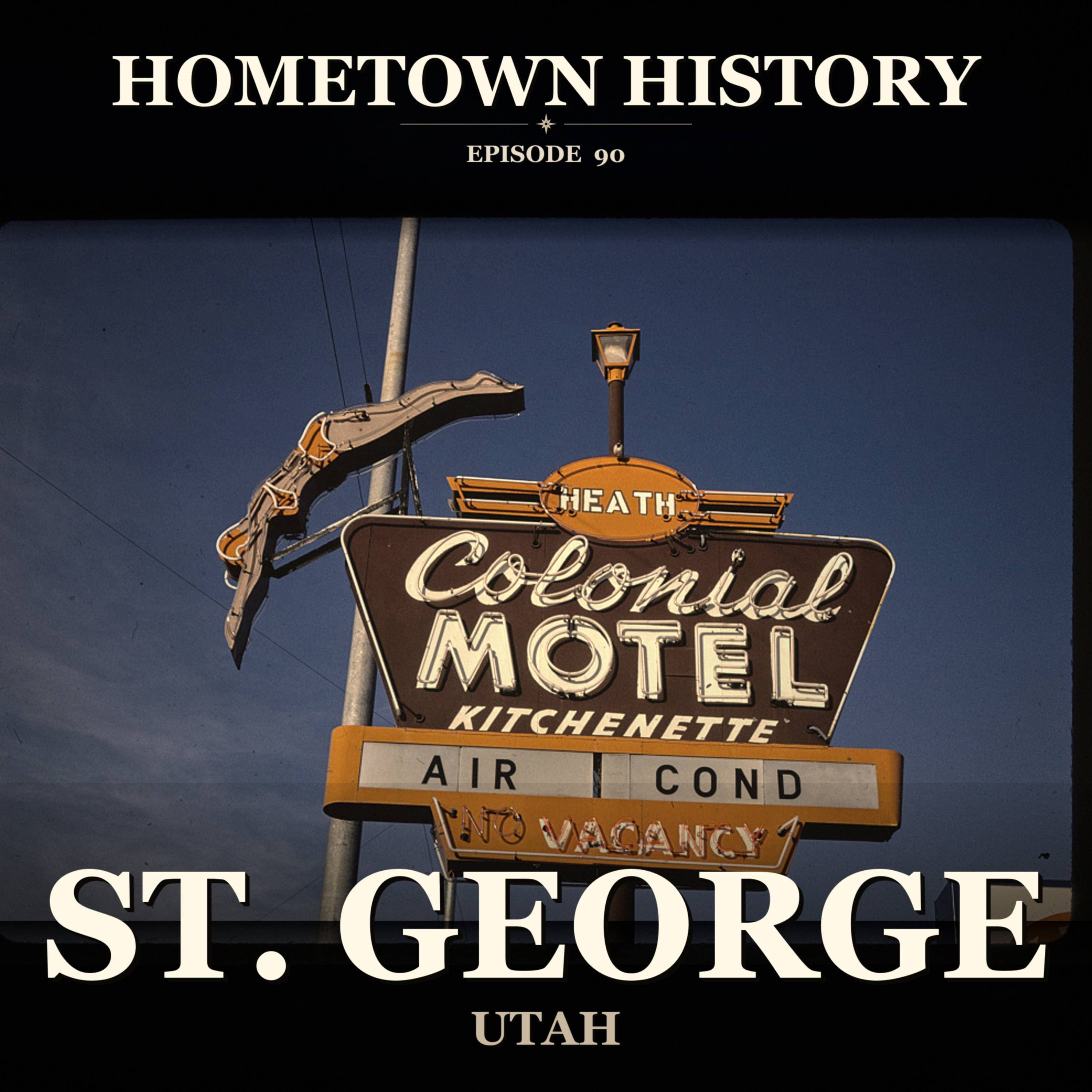
St. George, Utah: Hollywood's Deadliest Film Set
Transcript
135 segmentsShow Notes
St. George, Utah. Some would say the 1956 movie, The Conqueror, was cursed from the beginning. It had a terrible script, an unhappy crew, and a producer in Howard Hughes, who would soon lose his mind to an obsessive-compulsive disorder and any number of other unknown mental challenges. Within two years, he quit wearing clothes or cutting his nails and would eat only three different foods, chicken, chocolate, and milk.
TIMELINE
1953: According to Marino, in April and May of 1953, ranchers noticed burns on the skins, faces, and lips of sheep that had been eating grass, and later proved to be radioactive.
1956: Some would say the 1956 movie, The Conqueror, was cursed from the beginning.
1963: Director Dick Powell died in 1963 at age 59.
1979: The following year, John Wayne himself developed the lung cancer that would recur to the end of his life, before killing him in 1979.
1990: In 1990, President George H.W. Bush signed the Radiation Exposure Compensation Act into law, offering compensation for people affected by nuclear testing.
2018: As of April 20, 2018, 34,372 claims have been approved for a total of $2,243,205,380.
WHY THIS MATTERS
The story of St. George is a reminder that the events that shaped America didn't always happen in the biggest cities. What unfolded here left marks on the community that are still visible today. The full story is more complicated, and more human, than the version most people know.
Episode 90 | Hometown History | Hosted by Shane Waters
Hometown History explores forgotten stories from small-town America. The overlooked events, hidden triumphs, and buried tragedies that shaped the country we live in. New episodes every Tuesday. Find every episode at mythsandmalice.com/hometown-history
Advertising Inquiries: https://redcircle.com/brands
Privacy & Opt-Out: https://redcircle.com/privacy
Credits
Shane Waters, Founder & Host
Produced by Myths & Malice
Listen to Hometown History
Get More from Hometown History
Unlock exclusive content and support the show.
- Ad-free listening
- Early access to episodes
- Bonus episodes
- Support independent podcasting
the M&M Dispatch
Get new Hometown History episodes and the stories behind the towns we visit.
Enjoying Hometown History?
Leave a rating on Apple Podcasts. It takes a few seconds and helps new listeners find the show.