Forgotten stories from America's small towns.Hosted by Shane Waters23 min episode
Hollywood's Scandal That Created Movie Censorship
Transcript
169 segmentsShow Notes
Hollywood, California. The Roaring Twenties was a time of glamour, gossip, and a scandal that rocked Hollywood. A scandal marked by its tragic and sensational nature. It not only revealed the shady side of Hollywood, but also made people think about the necessity of movie censorship. be exploring one of the most scandalous events in Hollywood history, the Fatty Arbuckle scandal of the 1920s.
TIMELINE
1887: Born on March 24, 1887, in Smith Center, Kansas, Roscoe Fatty Arbuckle had a tough start in life.
1921: On Labor Day, September 5th, 1921, Arbuckle decided to take a break from his busy film schedule and headed to San Francisco with his friends Lowell Sherman and Fred Fishback.
1922: The second trial started on January 11th, 1922 with the new jury with the same legal teams and judge.
1932: In 1932 Warner Brothers offered him a chance to star in comedy shorts marking his return to the screen under his own name.
1933: In 1933 a decade after the scandal Arbuckle suffered a fatal heart attack at the age of 46 ending a chaotic chapter in Hollywood history.
WHY THIS MATTERS
The story of Hollywood is a reminder that the events that shaped America didn't always happen in the biggest cities. What unfolded here left marks on the community that are still visible today. The full story is more complicated, and more human, than the version most people know.
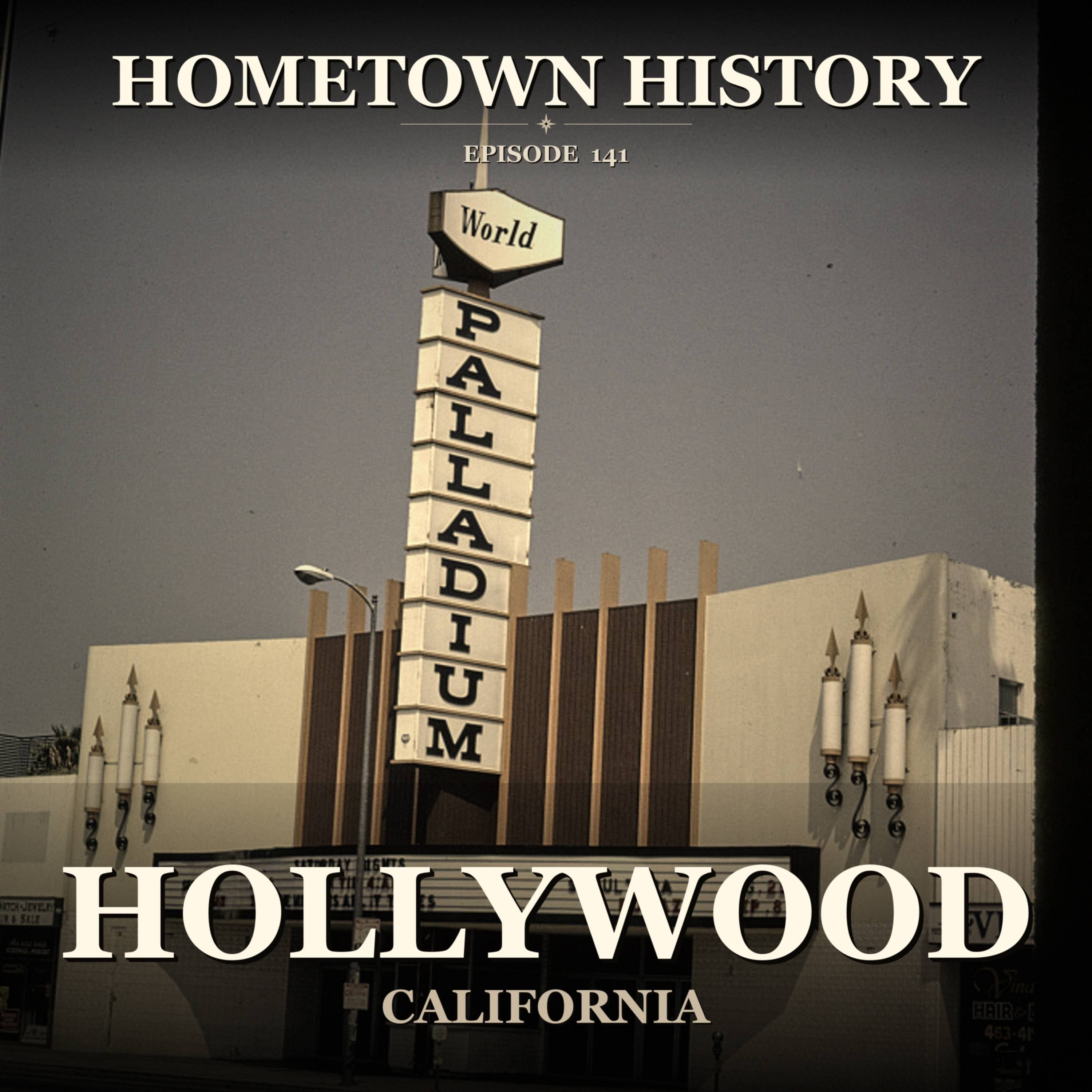
Episode 141 | Hometown History | Hosted by Shane Waters
If you liked this: Episode 88 (Crescent City, California)
Hometown History explores forgotten stories from small-town America. The overlooked events, hidden triumphs, and buried tragedies that shaped the country we live in. New episodes every Tuesday. Find every episode at mythsandmalice.com/hometown-history
Advertising Inquiries: https://redcircle.com/brands
Privacy & Opt-Out: https://redcircle.com/privacy
Credits
Shane Waters, Founder & Host
Produced by Myths & Malice
Listen to Hometown History
Get More from Hometown History
Unlock exclusive content and support the show.
- Ad-free listening
- Early access to episodes
- Bonus episodes
- Support independent podcasting
the M&M Dispatch
Get new Hometown History episodes and the stories behind the towns we visit.
Enjoying Hometown History?
Leave a rating on Apple Podcasts. It takes a few seconds and helps new listeners find the show.