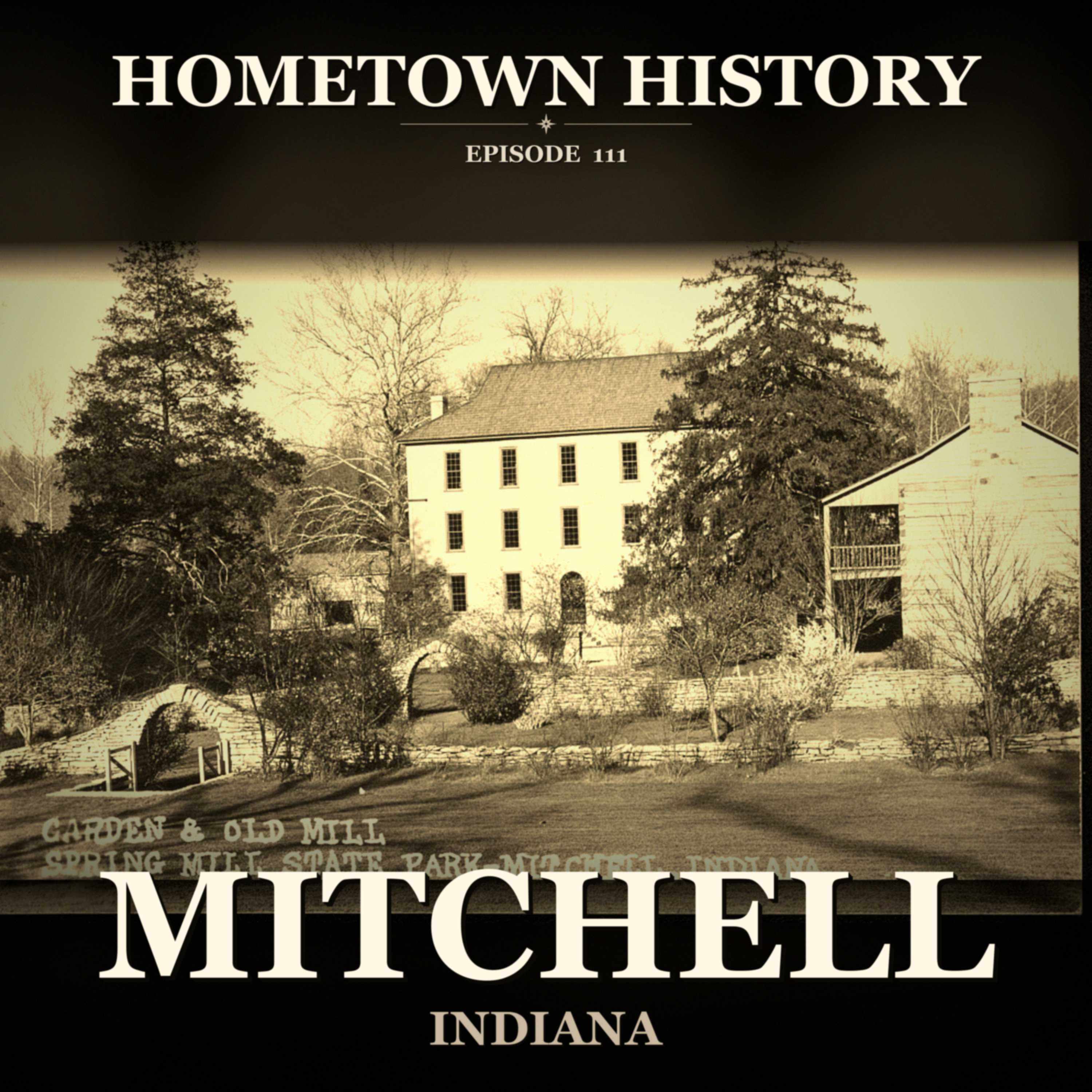
0:06 [SPEAKER_01]: The first man to walk on the moon died two years before he ever got there, or at least the man who was supposed to be the first. 0:26 [SPEAKER_01]: His name was Gus Grisselm, and he's remembered today as one of the most skilled and yet 0:37 [SPEAKER_01]: As a member of the Mercury 7, also known as Astronaut Group 1, Gus was among the elite of the elite. 0:47 [SPEAKER_01]: These seven astronauts, who were the first ever astronauts in American history, were selected from a group of 58 military test pilots, who were already handpicked as some of the best flyers in the world, 1:04 [SPEAKER_01]: We don't really think of astronauts in this way, but they're basically test pilots, dare devils, willing to risk everything to perfect a new form of travel. 1:17 [SPEAKER_01]: Each of these five hundred and eight applicants also had an engineering degree, as well as a minimum of 1500 hours total of military flying experience. 1:30 [SPEAKER_01]: Each candidate had to be in peak physical condition in younger than 40 years old. 1:37 [SPEAKER_01]: The final selection was national news. 1:51 [SPEAKER_03]: Take your picture said, and we'll gentlemen, take pictures now. 1:59 [SPEAKER_03]: Please all sit down. 2:09 [SPEAKER_04]: Ladies and gentlemen, today we are introducing to you and to the world. 2:17 [SPEAKER_04]: These seven men who have been selective to begin training for orbital space flight. 2:24 [SPEAKER_04]: These men, nations, project, mercury astronauts are here after a long and perhaps unprecedented series of evaluations, which told our medical consultants and scientists of their superb adaptability to their coming flight. 2:44 [SPEAKER_04]: My pleasure to introduce to you, and I consider it a very real honor, gentlemen. 2:51 [SPEAKER_04]: From your right Malcolm S. Carpenter, Leroy G. Cooper, John H. Blemm, Virgilai Grissum, Walter 3:13 [SPEAKER_04]: Donald K. Slayton, these ladies and gentlemen are the nation's Mercury astronauts. 3:28 [SPEAKER_01]: Even within this elite group of pilots, Gus set himself apart. 3:34 [SPEAKER_01]: He was chosen as the command pilot for the first flight of the new Apollo program, designed to land American astronauts on the moon. 3:45 [SPEAKER_01]: Sadly, he would never make it there. 3:49 [SPEAKER_01]: Jim and I three would be his last successful mission. 3:52 [SPEAKER_01]: And our team recently traveled to see this capsule on display in the Spring Mills State Park in Mitchell, Indiana. 4:02 [SPEAKER_01]: I'm here with Sherry Belt to learn more about Gus and the Gus Grisson Memorial, or his space suit, helmet, and the Jim and I three are now on display. 4:15 [SPEAKER_01]: Why don't we get started with you telling me 4:19 [SPEAKER_00]: chair. 4:20 [SPEAKER_00]: My name is Sherry Bells, and I'm the interpretive naturalist for Springville State Park in Natural Indiana. 4:27 [SPEAKER_00]: So what that means is that I run the workshops, hiking, and programming that revolve around natural resources for the most part with some cultural background. 4:37 [SPEAKER_00]: I do oversee the Guskerson Memorial as well, and I oversee the use management for the park as far as invasive species. 4:46 [SPEAKER_01]: Why don't you explain to me what it is there that you have there for the memorial? 4:51 [SPEAKER_00]: Sure, so Guskerson Memorial is what it's called. 4:54 [SPEAKER_00]: It's been a great place for local people to tell the story of Guskerson to share that with their kids and their families. 5:03 [SPEAKER_00]: That since he was born and raised here in Mitchell, his story is really important to the local people. 5:09 [SPEAKER_00]: And even outside of that, he's a national hero. 5:11 [SPEAKER_00]: And it's a great place to come and see artifacts from Gusk's life. 5:15 [SPEAKER_00]: It goes, it's in chronological order from when you walk in. 5:19 [SPEAKER_00]: As you walk in, you're going to start with this childhood. 5:21 [SPEAKER_00]: You're going to see some of his report cards and then that works its way into Purdue University and military background and then to NASA and that room. 5:33 [SPEAKER_00]: We have several items, 14 items that are alone from the National Air and Space Museum, including his space suit and the Gemini 3 spacecraft. 5:45 [SPEAKER_01]: that was very impressive. 5:46 [SPEAKER_01]: We were there about a month ago and all of the exhibits that you have inside of your building, especially when we weren't sure exactly what to expect. 5:56 [SPEAKER_01]: So it was very exciting to walk in and you see an actual shuttle pieces of a shuttle. 6:02 [SPEAKER_01]: So that was really cool to see. 6:04 [SPEAKER_00]: Well, I'm glad you enjoyed it. 6:05 [SPEAKER_00]: Yeah, people don't expect to see that in a state park or in a small town like Mitchell. 6:10 [SPEAKER_00]: But yes, and we do have a video too. 6:12 [SPEAKER_00]: I don't know if you had a chance to view that video. 6:14 [SPEAKER_01]: The video gave me a lot of knowledge that I didn't know about Gus, which is pretty cool because I'm a Hooray. 6:20 [SPEAKER_01]: I'm from Indiana. 6:21 [SPEAKER_01]: But I didn't know a lot about Gus. 6:23 [SPEAKER_00]: Absolutely. 6:24 [SPEAKER_00]: I'm not originally from this area either. 6:26 [SPEAKER_00]: And so coming down here five years ago is when I really started to learn about him. 6:31 [SPEAKER_01]: It's very cool. 6:32 [SPEAKER_01]: Do you have a favorite artifact or exhibit in the museum? 6:36 [SPEAKER_00]: Oh, I've never been asked that question. 6:38 [SPEAKER_00]: That's a great question. 6:40 [SPEAKER_00]: It's really hard to beat the Gemini 3. 6:42 [SPEAKER_00]: It really is. 6:44 [SPEAKER_00]: To be able to see inside of it because the hatch is open and to be able to look and see that tiny quarter of those two men sat and just know they were squished in. 6:55 [SPEAKER_00]: Like in a can of sardines and put on top of a rocket and shot off to space and just incredible. 7:02 [SPEAKER_01]: Yeah, that was we sat there and stared inside of it for a really long time. 7:06 [SPEAKER_01]: Just imagining how we all fit in it. 7:09 [SPEAKER_01]: The Jim and I three is one of 27 NASA space capsules currently on display throughout the country. 7:17 [SPEAKER_01]: It's a pretty rare opportunity to see one of these, and I've heard from a number of people how shocked they were to find one in this small southern Indiana State Park. 7:30 [SPEAKER_01]: To put this in perspective, by having the Gemini 3 on display, the Spring Mill State Park has only one capsule fewer than this Smithsonian National Air and Space Museum in Washington, 7:46 [SPEAKER_01]: I'd like to first start by asking you a little bit about Gus's background in terms of his life there in Mitchell, but I want to first ask you if you could tell me within this story how he gets this in Gus because that's not his real first name is it. 8:04 [SPEAKER_00]: Her act as name is Virgil Ivan Grissem, and he didn't receive the name Gus, the nickname until college. 8:13 [SPEAKER_00]: So the story goes that Gus was sitting around playing cards in a circular table and his little score card, or whatever it was, had his name Grissem at the top of Griss, and the person sitting across from him missed to get for Gus and started calling him Gus and then stuck. 8:34 [SPEAKER_01]: And that happened up Purdue, you said. 8:36 [SPEAKER_00]: Correct. 8:37 [SPEAKER_01]: That's pretty cool. 8:38 [SPEAKER_01]: So can you tell me about Gus's early life there in town? 8:41 [SPEAKER_00]: Yeah, absolutely. 8:42 [SPEAKER_00]: He was born and raised here in Mitchell. 8:45 [SPEAKER_00]: He was born April 3rd, 1926, and he had four siblings, one passed away before he was even born, so he had three growing up. 8:55 [SPEAKER_00]: And just a small town kid, normal activities for a small town kid was in Boy Scouts and apparently through high school years, pretty care is magic, but a tiny guy, he was about a hundred pounds and about five four and not really great at what you would consider the sports at the time. 9:13 [SPEAKER_00]: He was definitely learning to love planes or was attracted to flying. 9:18 [SPEAKER_00]: at an early age. 9:19 [SPEAKER_00]: There's stories of him wanting to go to a local airport and Bedford, which is only about 15 miles through here. 9:26 [SPEAKER_00]: And hanging out there, there was an attorney who owned a plane and it said that he paid a dollar to take a flight with that attorney. 9:34 [SPEAKER_00]: So he could learn the basics of flying there. 9:36 [SPEAKER_00]: And 9:36 [SPEAKER_00]: Probably I would assume they're in the love of it there and so that's where that started. 9:40 [SPEAKER_00]: Gus's grades weren't that great in elementary and high school and I don't know if you noticed that when you visited the memorial, some of those grades that are posted out there and he didn't mind math and science but I guess he didn't put his full potential into it in high school and didn't really follow that path until later. 9:58 [SPEAKER_01]: So you mentioned that Mitchell was a small town. 10:01 [SPEAKER_01]: Can you describe the town of Mitchell to me? 10:04 [SPEAKER_00]: I just, I feel like we have a small grocery store, a little gas station that goes through the center of town and you've got a couple small businesses within the town, but Lehigh is our biggest factory company in the area they're used to be and Gus did work for it when he... 10:21 [SPEAKER_00]: came back from the military right after high school. 10:24 [SPEAKER_00]: He worked for a bus factory, our company, putting doors on buses. 10:29 [SPEAKER_00]: So there was another factory here in town with that closed and that did hurt the population a little bit as that left. 10:34 [SPEAKER_00]: A small town, a friendly people, and everybody knows everybody. 10:39 [SPEAKER_00]: That kind of a thing. 10:42 [SPEAKER_01]: When we were in Mitchell, we went by his house, so his house is still standing. 10:47 [SPEAKER_00]: Yes, his boyhood home is actually open to the public. 10:50 [SPEAKER_00]: I believe on weekends through the summer, and it might be special times during this winter time, but it is, yes, his boyhood home. 10:58 [SPEAKER_00]: There are some things in there that are original to when Gus lived there as a teenager, but most of it is just replicas of kind of what would have, I guess, been the furniture of that time period. 11:10 [SPEAKER_01]: So when Gus gets ready to go off to college, what did he end up majoring in? 11:16 [SPEAKER_00]: And mechanical engineering. 11:18 [SPEAKER_01]: And then after he graduates, he gets a bachelor's degree, is that right? 11:23 [SPEAKER_00]: Correct. 11:24 [SPEAKER_01]: And he ends up going into the military. 11:28 [SPEAKER_00]: Yes, so he ends up going to the air force and becoming pilots and air force pilot. 11:34 [SPEAKER_00]: He was struggling when he was going through the training to become a pilot. 11:38 [SPEAKER_00]: He was having trouble with his landing and it was getting to the point where he wasn't going to pass. 11:43 [SPEAKER_00]: and he went up with his fight instructor and he showed him this gauges gadget. 11:48 [SPEAKER_00]: Something on the plane that he had not been aware of yet. 11:51 [SPEAKER_00]: And from that point on, you know, landing and he was able to pass. 11:55 [SPEAKER_00]: And of course, we know he goes on to fight in the Korean War. 11:58 [SPEAKER_00]: And he went through a hundred successful missions. 12:02 [SPEAKER_01]: Nice. 12:03 [SPEAKER_01]: So after he returns from the Air Force, what does he do next? 12:08 [SPEAKER_00]: After the Air Force, he does become a pilot. 12:13 [SPEAKER_00]: instructor for a short time, but he ends up becoming a test pilot. 12:16 [SPEAKER_00]: He ends up doing that until NASA calls him with the idea of going through the testing to become one of the first seven astronauts. 12:28 [SPEAKER_00]: Russia or the Soviet Union, they were pushing to get man into space and there was this push on our end too as well to be able to compete with them and also there's the fear of nuclear war and then having more power in space the administration was looking for ways. 12:47 [SPEAKER_00]: for us to get involved with that. 12:49 [SPEAKER_00]: What happened is an October 4th, 1967 on the Russia side, they fly successful orbit and that's when there was less than a year later, and the NASA administration started and they decided to get these guys on board to become the first astronauts. 13:11 [SPEAKER_01]: And for Gus, when he gets that phone call, what happens next for his, his line of becoming national. 13:18 [SPEAKER_00]: They're all over 500 men that were either given a phone call or a letter to meet up and talk about this program that they wanted to start. 13:28 [SPEAKER_00]: And so the men who chose to go through the testing is pretty intense. 13:32 [SPEAKER_00]: It was like three months long. 13:34 [SPEAKER_00]: We're talking about written exams and stress tests and psychological evaluations. 13:41 [SPEAKER_00]: Pretty intense training. 13:42 [SPEAKER_00]: to see who could make it. 13:44 [SPEAKER_00]: And fortunately, Gus made it through all of that. 13:48 [SPEAKER_00]: And he became one of the seven original astronauts on the Mercury 7. 13:54 [SPEAKER_01]: So why don't you explain to me some of his time working with NASA? 13:58 [SPEAKER_00]: Yeah, absolutely. 13:59 [SPEAKER_00]: There were three programs and the goal was to get to the moon. 14:03 [SPEAKER_00]: President Kennedy actually pushed for us to get to the moon by the end of the decade, which was the end of the sixties. 14:10 [SPEAKER_00]: And so that was the goal with these programs. 14:12 [SPEAKER_00]: And so three programs were developed. 14:14 [SPEAKER_00]: You have the Mercury program. 14:16 [SPEAKER_00]: which is our startup and this space capsule would fold one human then we have the Gemini program if Mercury went well and they reached all their goals of suborbiting and some orbiting then they went on to Gemini 3 where those spacecrafts held two humans and then for Apollo. 14:34 [SPEAKER_00]: That was to get to the moon. 14:36 [SPEAKER_00]: That was the goal with the Apollo Program was to walk on the moon, and that space capsule held three men. 14:42 [SPEAKER_00]: But going back to Mercury, that wasn't the first one to be able to orbit or sub orbit. 14:47 [SPEAKER_00]: He would be the second man, the second American to fly into space. 14:54 [SPEAKER_00]: And then that was successful as far as the flight itself. 14:57 [SPEAKER_00]: It was a 15-minute flight over 5,000 miles an hour. 15:01 [SPEAKER_00]: I can't imagine. 15:03 [SPEAKER_00]: But very successful. 15:04 [SPEAKER_00]: Till he hits the water and that's when things go wrong with that. 15:08 [SPEAKER_00]: His face crash was called Liberty Belt 7. 15:10 [SPEAKER_00]: And when it hit the water, they knew the protocol. 15:14 [SPEAKER_00]: They were to wait on the helicopters to let them know in one way or another that it was time to release the hatch. 15:20 [SPEAKER_00]: So he was waiting. 15:21 [SPEAKER_00]: And he says that he was just, my new zone business doing his own thing and he heard something. 15:26 [SPEAKER_00]: The hatch pops on its own, explodes on its own. 15:30 [SPEAKER_00]: starts taking in water so he immediately is trying to get out of there. 15:34 [SPEAKER_00]: He had already unhooked his hoses from his space suit so as he's out in the water he's taking in water and he does almost drown in this experience. 15:44 [SPEAKER_00]: He took in a lot of water while they were trying to rescue that multi-million dollar space capsule. 15:49 [SPEAKER_00]: which they couldn't. 15:50 [SPEAKER_00]: They had to let it go and he was rescued but he had to do one of the things he hates and that was getting up in front of the reporters and having to explain himself when he knew that he had done a wrong but there was question as if he had panicked. 16:05 [SPEAKER_00]: and set that off early. 16:06 [SPEAKER_00]: We now know after it was raised that he was not the cause of that hatch blowing. 16:14 [SPEAKER_00]: It was mechanical reasons. 16:15 [SPEAKER_00]: Due to the hatch that exploded during his first flight with the Liberty Bell 7, there were changes made to the hatch that serve him well in Apollo 1, probably not. 16:30 [SPEAKER_01]: But for almost 40 years NASA had taken Gaza his word that he did not prematurely blow the hatch. 16:39 [SPEAKER_01]: It was only when the capsule was recovered from the bottom of the ocean in 1999 that experts were able to examine the Liberty Bell 7 and confirm his side of the story. 16:52 [SPEAKER_01]: Following the overall success of the One-Man Mercury missions, NASA moved on to a new series of missions they called Gemini. 17:02 [SPEAKER_01]: These missions involve two astronauts, rather than one, Empire-neared new flying techniques and the first American spacewalk. 17:13 [SPEAKER_01]: Guests would pilot the third of these missions. 17:16 [SPEAKER_00]: The Gemini III was named the Molly Brown. 17:20 [SPEAKER_00]: I'm not sure if you're familiar with that. 17:21 [SPEAKER_00]: And it speaks to their fun side of their sarcastic jokes or side, just in reference to the Molly Browns in reference to the Titanic sinking. 17:30 [SPEAKER_00]: And since his Liberty Bell 7 sank, it seemed appropriate to him to name it that. 17:34 [SPEAKER_00]: He was the last one to name his spacecraft because NASA was not impressed with the name. 17:41 [SPEAKER_01]: So NASA stopped allowing people to name him. 17:44 [SPEAKER_00]: Yes, the administration did stop that at that point. 17:48 [SPEAKER_01]: That's pretty funny. 17:49 [SPEAKER_00]: Yeah, and another story that I think is light-hearted. 17:52 [SPEAKER_00]: These guys were incredibly dedicated and hard workers. 17:55 [SPEAKER_00]: And spent so much time away from their family and friends and loved ones. 17:59 [SPEAKER_00]: But they did have that jokes to decide as well. 18:01 [SPEAKER_00]: And it really shows through in the Gemini 3 as well with the whole corn beef. 18:06 [SPEAKER_00]: Sam which incidents are you familiar with that? 18:09 [SPEAKER_00]: So Gus Grissum and John Young, these were the two that were going to be on this flight. 18:16 [SPEAKER_00]: Gus was the captain and John Young was his co-pilot. 18:21 [SPEAKER_00]: And apparently one of the other astronauts, Wally Shura, a couple of days before went to Wolfie's restaurant and purchased a cornbeam sandwich, which he handed over to John Young while he's putting on his space suit for the mission, the morning of the mission. 18:39 [SPEAKER_00]: So he takes this cornbeam sandwich up into space. 18:43 [SPEAKER_00]: And he brings it out while Gus and him are up there, and Gus does take a bite, but immediately puts it away due to some crumbs that's starting to float around. 18:51 [SPEAKER_00]: So there's some microgravity issues going on there, which I suppose could have been a problem as any of those made it into the instruments, but it wasn't a big deal until they got back on the ground. 19:03 [SPEAKER_00]: And this was apparently the media that'll hold of it in this maybe administrators, furious, 19:09 [SPEAKER_00]: and it became a very big deal, unfortunately, and no more sandwiches went up after that. 19:16 [SPEAKER_01]: So he was the last person to be able to have sandwiches in the apparently. 19:21 [SPEAKER_01]: And the last person to be able to name them. 19:24 [SPEAKER_01]: That's pretty funny. 19:25 [SPEAKER_01]: Why don't we go ahead and have you start telling me about his final mission? 19:30 [SPEAKER_00]: Absolutely, so it was an exciting time that you're on to this Apollo program. 19:34 [SPEAKER_00]: You've finally made it through the program where you're going to make it to the moon. 19:38 [SPEAKER_00]: That is the intent. 19:40 [SPEAKER_00]: They are on a very tight schedule, though. 19:42 [SPEAKER_00]: It's 67. 19:44 [SPEAKER_00]: The end of 66 was one of the last Gemini flights. 19:47 [SPEAKER_00]: And now they're moving into this Apollo program in 67. 19:50 [SPEAKER_00]: And they only have really a couple of years before the end of the 60s. 19:54 [SPEAKER_00]: And this deadline that President Kennedy had set before them to make it to the moon. 20:00 [SPEAKER_00]: So things are being rushed and there's a lot of people involved with this more so than with the of Gemini and Mercury programs. 20:08 [SPEAKER_00]: There was just thousands of people involved and it just seemed that there was some miscommunication and things happening. 20:15 [SPEAKER_00]: There was some frustrations about the spacecraft as a whole. 20:19 [SPEAKER_00]: And so anyway, they're getting ready to do the Apollo 1 program bus for some being one of the first Mercury 7 is going to be the captain of this mission for Apollo 1 and possibly would have been for the trip to the moon then to walk the moon later on, but him and Ed White and Roger Chaffey. 20:41 [SPEAKER_00]: These are the three astronauts chosen for this mission, the first Apollo mission. 20:50 [SPEAKER_01]: In the aftermath of Apollo 1, multiple NASA administrators, Dixleton, Chris Craft, and Bob Goaworth claimed that Gus would have likely been chosen to be the first man to walk on the moon. 21:06 [SPEAKER_01]: Not only was he one of the original 7 American astronauts, with eight years of NASA experience, 21:13 [SPEAKER_01]: But he also had an incredible, 4,600 hours of flying time, as a pilot in the US Air Force. 21:23 [SPEAKER_01]: Anyway, back to Apollo 1. 21:27 [SPEAKER_00]: they have a testing day that would occur on January 27th, 1967. 21:34 [SPEAKER_00]: And the interesting thing is the night before this test, there were three other astronauts who went through the same testing a little differently. 21:41 [SPEAKER_00]: It was Wally Shura, Don, Isley, and Walt Cunningham. 21:45 [SPEAKER_00]: These three, 21:46 [SPEAKER_00]: They didn't check out testing the night before everything went fine, but they didn't do what was called the bugs out portion where they were They were still using external power and their hatch was not shut the night before But based on the way things went, they weren't concerned really about this testing that would occur the next day with these three astronauts 22:16 [SPEAKER_00]: They are in their in their spacesuits and it becomes a pressurized environment, 100% oxygen, and they're going through the testing as if it is lift off day. 22:27 [SPEAKER_00]: And there were a lot of frustrations that day, a lot of things not working out right, but towards the end of the evening around 630, there's a spark or a fire. 22:35 [SPEAKER_00]: You do hear, there's a radio announcement from one of the astronauts saying that there's a fire 22:46 [SPEAKER_00]: of the space capsule five minutes to get past the three hatches and by that point, all three men had perished, unfortunately. 22:56 [SPEAKER_01]: A recording of that final test has since been made available to the public. 23:03 [SPEAKER_01]: You can hear them running through the different checks, one after another. 23:08 [SPEAKER_01]: As in this exchange between us and mission control, 23:17 [SPEAKER_08]: You're all there, baby. 23:20 [SPEAKER_08]: All right, you need to maintain close. 23:23 [SPEAKER_08]: That's right, baby. 23:25 [SPEAKER_08]: It's meant to maintain close. 23:28 [UNKNOWN]: That's right, baby. 23:28 [SPEAKER_08]: Okay, you're all there, baby. 23:29 [SPEAKER_08]: Yeah, baby. 23:30 [SPEAKER_08]: All right, you're all there, you're all there, you're all there, you're all there, you're all there, you're all there, you're all there, you're all there, you're all there, you're all there, you're all there, you're all there, you're all there, you're all there, you're all there, you're all there, you're all there, you're all there, you're all there, you're all there, you're all there, you're all there, you're all there, you're all there, you're all there, you're all there, you're all there, you're all there, you're all there, you're all there, you're all there, you're all 23:48 [SPEAKER_07]: Okay, I'm the final one, we're going to get free content here. 24:12 [SPEAKER_01]: Almost exactly 20 minutes after the exchange, you just heard. 24:16 [SPEAKER_01]: The fire begins on the left side of the cabin, nearest to Gaskrism. 24:23 [SPEAKER_01]: A few seconds later, Ed White makes the first call for help. 24:42 [SPEAKER_01]: Due to the graphic nature of this tragedy, I won't play any more of the audio from the astronauts here. 24:50 [SPEAKER_01]: After Ed White, we hear Roger Chaffey, make a second call for help, but from the beginning of the fire to the end of the transmission, we never hear from Gus. 25:02 [SPEAKER_01]: Roughly one minute after the last transmission from Apollo 1, mission control has still not grasped the full extent of the tragedy. 25:11 [SPEAKER_01]: The controller asks, Gus, can you read us? 25:31 [SPEAKER_01]: When Gus does not respond, it has become clear that fatalities are likely. 25:48 [SPEAKER_01]: As the fire grows in Apollo 1, opening the door is physically impossible, due to a crucial flaw in the cabin's design. 25:57 [SPEAKER_01]: The door swings inward into the capsule, rather than swinging open outside the capsule, which would allow the building pressure to release. 26:09 [SPEAKER_01]: Instead, all this pressure pins the door in place. 26:14 [SPEAKER_01]: and it will take emergency crews five minutes to break in and reach the deceased astronauts. 26:23 [SPEAKER_01]: The cause of death for all three men was determined to have been cardiac arrest caused by high concentrations of carbon monoxide. 26:33 [SPEAKER_01]: What happens next in terms of how the nation reacts? 26:39 [SPEAKER_00]: It was catastrophic. 26:41 [SPEAKER_00]: It was devastating to the community, to the family, but to the nation as a whole, they've been watching Gus Grism from the beginning, and then these other men coming alongside, and it's hard to explain it. 26:51 [SPEAKER_00]: It was just a very solemn time. 26:54 [SPEAKER_00]: It was actually 21 months before the next Apollo went up. 26:58 [SPEAKER_00]: So there was a very long gap. 27:01 [SPEAKER_00]: and a lot of examinations of the space capsule and what went wrong, because this happened on the ground and not up in space, they really could dig through there and do a lot of investigating. 27:13 [SPEAKER_00]: It was a horrible incident, but we do think that because it happened on the ground, we were able to see how to make things better over a thousand different changes occurred because of that accident. 27:27 [SPEAKER_00]: Whether that was space capsule changes or communication changes, chain of command, all of that stuff, things changed and it became better for everyone involved from there on and of course we know that before the end of the decade because of the sacrifice of these men and what they did, we make it to the moon on July 1969. 27:51 [SPEAKER_01]: Do you know what a couple of those big changes were that they made? 27:55 [SPEAKER_00]: I know that the wiring, so the wiring was a big deal in the Mercury and Gemini program. 28:03 [SPEAKER_00]: The wiring had a covering that the crew was isolated from any of these wiring or contact with the wiring, or the Apollo 1. 28:13 [SPEAKER_00]: to try and create an environment that was less weight, they use a different material, and some of these wiring were not in case right, or they were out in an area where the astronauts could accidentally kick them or mess with them. 28:28 [SPEAKER_00]: That was a problem. 28:29 [SPEAKER_00]: There's a list of conclusions to the board never conclusively decided what was the actual reason for the fire, but they had several things. 28:39 [SPEAKER_00]: that led to the disaster, and I can list them off for you if you're interested. 28:43 [SPEAKER_00]: A sealed cabin, pressurized with an oxygen environment that also changed with the next ones. 28:49 [SPEAKER_00]: They did use an oxygen environment, but it wasn't 100%. 28:52 [SPEAKER_00]: Extensive distribution of combustible materials that were in the cabin, there was vulnerable, unprotected wiring carrying the spacecraft power. 29:01 [SPEAKER_00]: There was vulnerable plumbing, airing a combustible, and corrosive, 29:05 [SPEAKER_00]: There was inadequate provisions for the crew to escape and there was inadequate provisions for the rescue or medical assistance. 29:16 [SPEAKER_00]: And so we know it's human error and that was fixed over time. 29:20 [SPEAKER_01]: So would you say that, I guess I'm coming to phrase that that I know that we used from the time is the space race. 29:27 [SPEAKER_01]: We were trying to race to see who could get to the moon first. 29:30 [SPEAKER_01]: And so maybe a part of that is we were racing so fast that we were taking safety into not such good consideration. 29:38 [SPEAKER_01]: And so maybe at that time when that horrible accident happened that was a thought when everyone was like, whoa, 29:46 [SPEAKER_01]: Maybe we do need to take it to serious consideration because the look was just happened. 29:52 [SPEAKER_00]: Absolutely. 29:52 [SPEAKER_00]: Because they had been using 100% oxygen, pressurized environment in Mercury and Gemini. 29:59 [SPEAKER_00]: And it wasn't that they knew it wasn't dangerous. 30:02 [SPEAKER_00]: It just was working. 30:03 [SPEAKER_00]: And sometimes it was just a lack of going back in and saying, hey, yeah, this works, but would there be a better way? 30:09 [SPEAKER_00]: And that did come about because of the tragedy. 30:12 [SPEAKER_01]: Sure, late last year I was at Arlington National Cemetery for the first time and I saw guesses stone along with the other people's stone that he was with and I didn't realize that they were all there and they're all memorialized there together. 30:29 [SPEAKER_00]: Yes, yes, are you talking about the monument that was just recently put there. 30:33 [SPEAKER_00]: I believe last year, yeah, yeah, it was 55 years in the making. 30:38 [SPEAKER_00]: But yeah, they finally got it up. 30:39 [SPEAKER_00]: And there is something on YouTube about that. 30:41 [SPEAKER_00]: You can hear his family talk about that. 30:44 [SPEAKER_00]: Lowell, his brother talks a little bit about being glad to be able to see that, but in place for the astronauts. 30:51 [SPEAKER_01]: This is a lowell, Grison, from the Arlington ceremony that Sheri just mentioned. 31:03 [SPEAKER_02]: Virgil Auguste-Crisse, Edward White, Roger Chappy, three extra ordinary gentlemen. 31:12 [SPEAKER_02]: It was January 27, 1967, about 1 p.m. when those three astronauts climbed into their command module. 31:22 [SPEAKER_02]: 30 miles of wire ran through that space craft, and at 631 p.m. 31:31 [SPEAKER_02]: There was a spark and a fire and in less than a minute, the mercury spacecraft burst and cracked from that heat and pressure. 31:46 [SPEAKER_02]: Guess? 31:48 [SPEAKER_02]: I said that there's always problem with spacecraft and there's always things that need to be fixed, but he was there to fix it. 31:58 [SPEAKER_02]: I think that from the accident, that they learned so much, and many people believe that they would never made it to the moon in the decade of the sixties without the lessons that were learned from the fire. 32:17 [SPEAKER_02]: There's no doubt that Cust had Roger with a step on the moon had they live. 32:28 [SPEAKER_00]: There's a really cool Latin saying on that stone, did you see it? 32:33 [SPEAKER_00]: It's probably not pronouncing it right. 32:36 [SPEAKER_00]: Add Astra per Aspera, and it means a rough road leads to the stars. 32:41 [SPEAKER_01]: That's beautiful, I like it a lot. 32:43 [SPEAKER_01]: Yeah, with where that is, I assume that they are actually buried there, like there remains where they're with it. 32:49 [SPEAKER_00]: I know Gus is. 32:50 [SPEAKER_00]: I don't know about the other two. 32:52 [SPEAKER_00]: I would have to look that information up. 32:53 [SPEAKER_01]: Sure. 32:54 [SPEAKER_01]: I was going to mention the beginning of our conversation. 32:56 [SPEAKER_01]: We're located in northern Indiana, in Wallbash, and near here is the place that's named after Gus, which is the first time that I had ever heard of his name growing up, is just because of the Air Force base located up here. 33:13 [SPEAKER_01]: Yeah, so being able to actually go there to his hometown and see his home. 33:17 [SPEAKER_01]: It was kind of one of those things where I've always knew his name because of the air force base and kid. 33:23 [SPEAKER_01]: So being able to put a face to an air force base, because being a kid, whoever that person was, how to be really important, if they have a whole air force base named after them. 33:33 [SPEAKER_00]: Absolutely. 33:34 [SPEAKER_00]: That's excellent. 33:35 [SPEAKER_00]: And that's what he did to the very end. 33:38 [SPEAKER_00]: They worked hard and that was one of his models too was a do good work. 33:43 [SPEAKER_00]: And he did great work. 33:44 [SPEAKER_00]: And so did the other crew members of board that. 33:48 [SPEAKER_00]: And they gave their all for the conquest of space. 33:52 [SPEAKER_01]: Perfect. 33:53 [SPEAKER_01]: The last memory I'll leave you with about your facility there is Nick picked up astronauts ice cream from there, and I've never had it before. 34:01 [SPEAKER_01]: It was an ice cream sandwich, and he picked off little pieces of it and gave it to each one of us as we were leaving in the car. 34:09 [SPEAKER_01]: and he put my hand and I looked at him and I was like, this isn't real. 34:13 [SPEAKER_01]: I'm not eating this. 34:14 [SPEAKER_01]: He's no it's real. 34:15 [SPEAKER_01]: I promised to try it and it was so light. 34:18 [SPEAKER_01]: Like there's no weight to it. 34:20 [SPEAKER_01]: I put it in my mouth and I was just like my first instinct was to spit it out and use how to let it sit there for a minute in order to be able to digest it. 34:28 [SPEAKER_00]: Did you eat a lot of it? 34:30 [SPEAKER_01]: Did you eat a lot of it? 34:31 [SPEAKER_01]: Did you eat a lot of it? 34:32 [SPEAKER_01]: Do you like it? 34:33 [SPEAKER_00]: I don't. 34:34 [SPEAKER_00]: I unfortunately have allergies to dairy, so I can't even try it, but yeah, it's a very popular thing. 34:40 [SPEAKER_00]: We have a Gus, we call Grissam Days in July. 34:44 [SPEAKER_00]: We have a special weekend where we celebrate Gus Grissam every single year in July, and we do all kinds of programs and events throughout that weekend. 34:53 [SPEAKER_00]: And one of the things we do is we give away little samples of that, and then if people like it, they can go in and buy a whole package. 35:00 [SPEAKER_01]: That's funny. 35:02 [SPEAKER_01]: Yeah, it was, yeah, all I could do is eat a little corner of it, but I've never had anything like up before. 35:07 [SPEAKER_01]: I just I split it, sit in my mouth for a minute for it to regain some moisture or something. 35:14 [SPEAKER_01]: Yeah, but yeah, thankfully, I'm not an astronaut, so I don't know how to eat it. 35:19 [SPEAKER_00]: Yes, then it's come a long ways since the beginning of those early days. 35:28 [SPEAKER_01]: Shortly before the final test of Apollo 1, a reporter asked us if he was anxious about a possible catastrophe. 35:38 [SPEAKER_01]: I'm going to play that brief clip here to close the episode. 35:42 [SPEAKER_01]: But before I do that, I'd like to thank Sharia again for joining us, and all of you for listening. 35:50 [SPEAKER_01]: Again, the clip begins with a question from a reporter. 35:54 [SPEAKER_06]: You flew on Mercury, flew on Germany, now you're flying on Apollo. 36:00 [SPEAKER_06]: There's a lot of averages so far as the possibility of a catastrophic failure to follow you at all. 36:06 [SPEAKER_05]: No, you certainly have to put that out of your mind. 36:08 [SPEAKER_05]: There's always a possibility that you can have a catastrophic failure. 36:16 [SPEAKER_05]: Of course it's going to happen on anybody. 36:17 [SPEAKER_05]: You can have it on the last one as well as the first one. 36:21 [SPEAKER_05]: It's just planned as best you can to take care of all of these eventualities. 36:27 [SPEAKER_05]: And you get a well-trained crew and you go, bye.
Show full transcript (345 segments)