Forgotten stories from America's small towns.Hosted by Shane Waters20 min episode
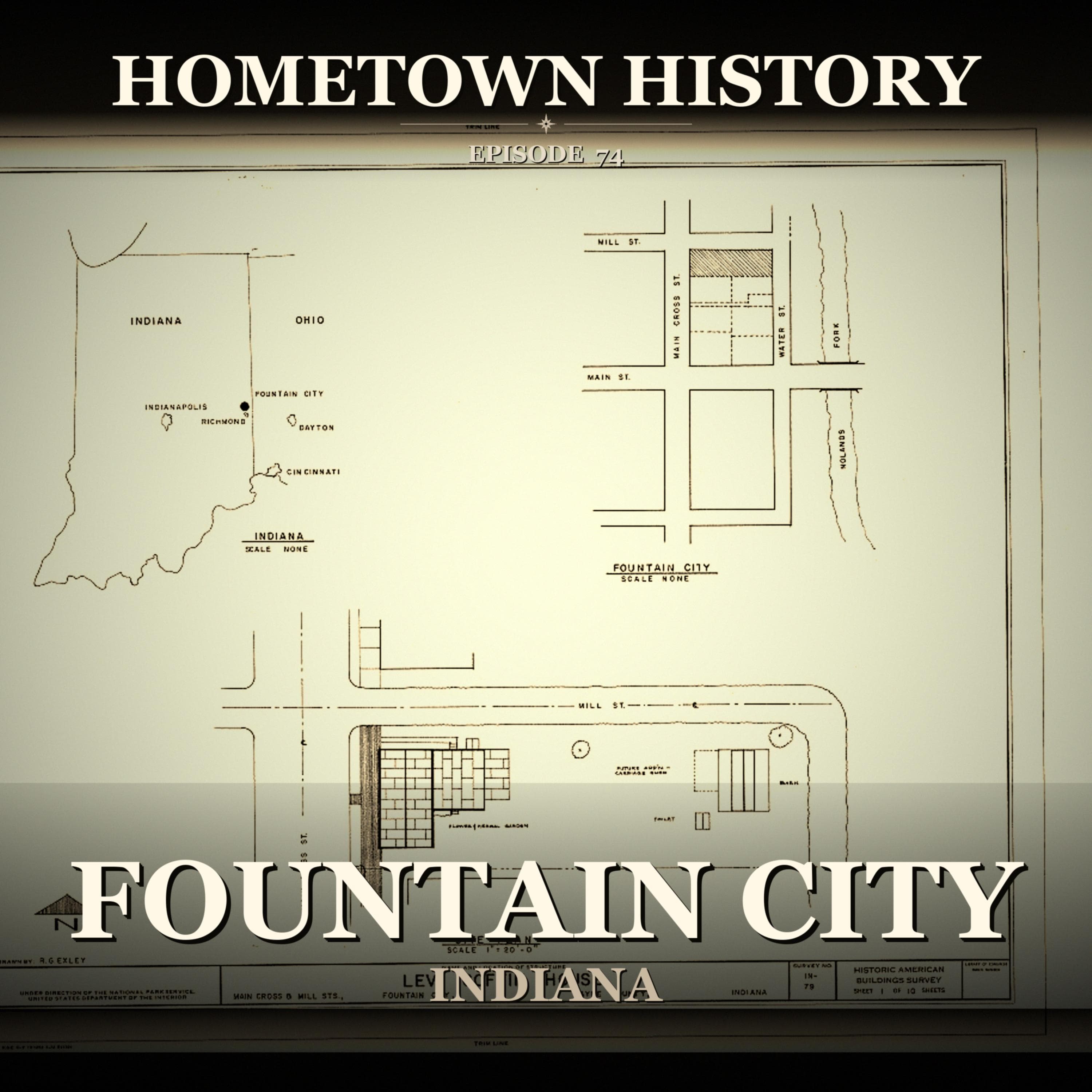
Fountain City, Indiana: The Underground Railroad's Grand Central Station
Transcript
194 segmentsShow Notes
Fountain City, Indiana. So, Levi is confused at his young age because at the age of seven, he's thinking, wait a minute, these men have been taken from their families? All these thoughts are going through his head, and he's wondering, what did these men do that were so bad? And his father's, I'm sure, explaining to him they didn't deserve anything for this. They're enslaved, and legally, they have no choice. They're never going to see their families again. And he says, from that age on, I was an abolitionist.
TIMELINE
1688: Coffin was a member of the Quaker Church, a pacifist Christian group that had been protesting slavery in North America since 1688.
1826: Over a 20-year span, from 1826 to 1847, more than 2,000 slaves stopped here on their way north to Canada in freedom.
1854: In 1854, after doing this work for the better part of four decades, the coffins decided to make a trip to Canada.
WHY THIS MATTERS
The story of Fountain City is a reminder that the events that shaped America didn't always happen in the biggest cities. What unfolded here left marks on the community that are still visible today. The full story is more complicated, and more human, than the version most people know.
Episode 74 | Hometown History | Hosted by Shane Waters
If you liked this: Episode 180 (Hagerstown, Indiana)
Hometown History explores forgotten stories from small-town America. The overlooked events, hidden triumphs, and buried tragedies that shaped the country we live in. New episodes every Tuesday. Find every episode at mythsandmalice.com/hometown-history
Advertising Inquiries: https://redcircle.com/brands
Privacy & Opt-Out: https://redcircle.com/privacy
Credits
Shane Waters, Founder & Host
Produced by Myths & Malice
Listen to Hometown History
Get More from Hometown History
Unlock exclusive content and support the show.
- Ad-free listening
- Early access to episodes
- Bonus episodes
- Support independent podcasting
the M&M Dispatch
Get new Hometown History episodes and the stories behind the towns we visit.
Enjoying Hometown History?
Leave a rating on Apple Podcasts. It takes a few seconds and helps new listeners find the show.