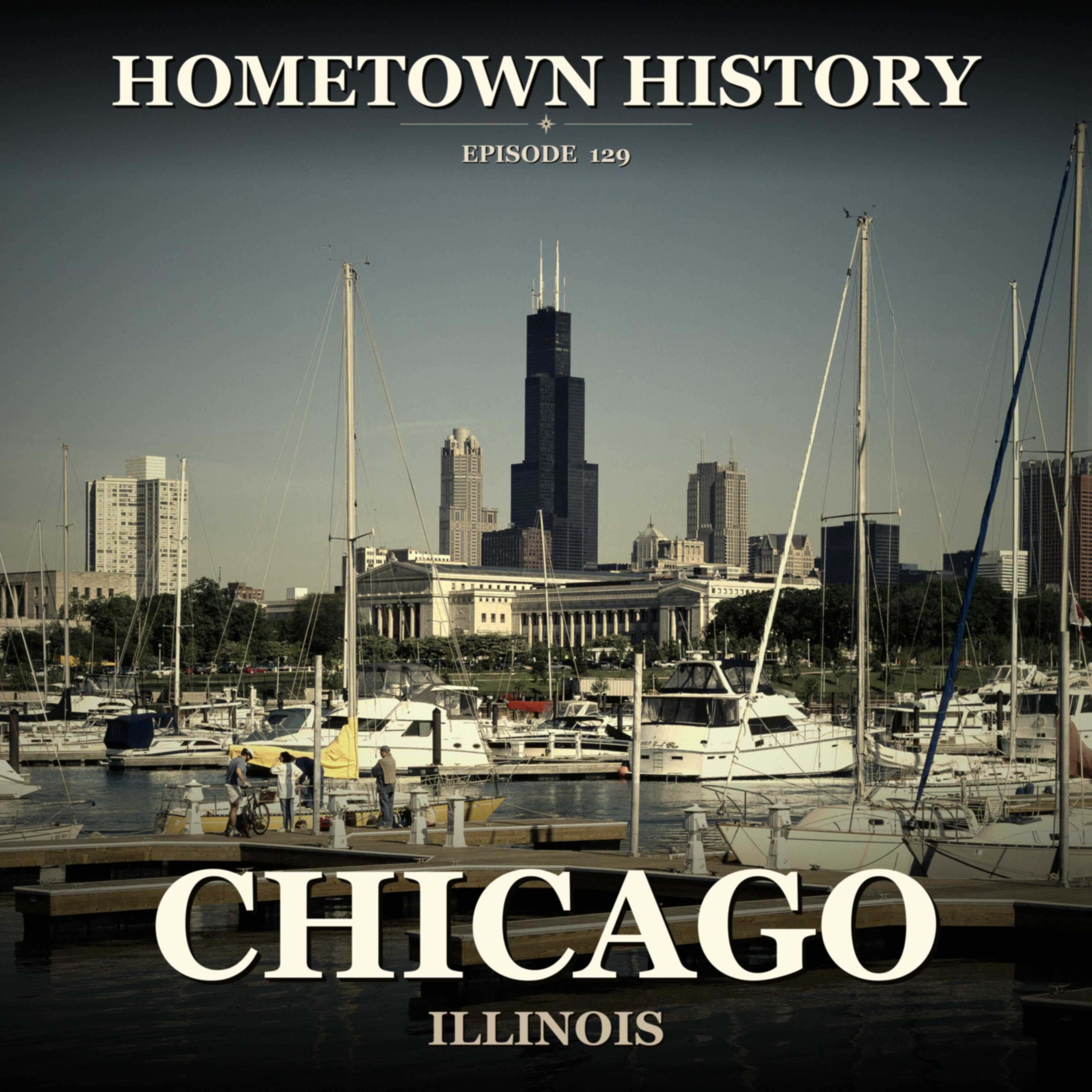
Forgotten stories from America's small towns.Hosted by Shane Waters25 min episode
Chicago's Crime of the Century: Leopold and Loeb
Transcript
174 segmentsShow Notes
Chicago, Illinois. Privilege, arrogance, notoriety. These words describe the essence of today's episode. In today's episode, we are looking at a dark and chilling chapter from America's history, involving incredibly intelligent young men who decided to use their intelligence for evil rather than good. This story takes us back to the year 1924.
TIMELINE
1904: Nathan Frudenthal Leopold Jr., born in the lap of privilege on November 19, 1904, in Chicago, was the product of a wealthy German-Jewish immigrant family.
1936: On January 28, 1936, Loeb was attacked by fellow inmate James Day, and he died soon after spending some time in the prison hospital.
1958: Later in 1958, Leopold's autobiography, titled Life Plus 99 Years, came out as a part of his campaign to win parole.
WHY THIS MATTERS
The story of Chicago is a reminder that the events that shaped America didn't always happen in the biggest cities. What unfolded here left marks on the community that are still visible today. The full story is more complicated, and more human, than the version most people know.
Episode 129 | Hometown History | Hosted by Shane Waters
If you liked this: Episode 170 (Ottawa, Illinois)
Hometown History explores forgotten stories from small-town America. The overlooked events, hidden triumphs, and buried tragedies that shaped the country we live in. New episodes every Tuesday. Find every episode at mythsandmalice.com/hometown-history
Advertising Inquiries: https://redcircle.com/brands
Privacy & Opt-Out: https://redcircle.com/privacy
Credits
Shane Waters, Founder & Host
Produced by Myths & Malice
Listen to Hometown History
Get More from Hometown History
Unlock exclusive content and support the show.
- Ad-free listening
- Early access to episodes
- Bonus episodes
- Support independent podcasting
the M&M Dispatch
Get new Hometown History episodes and the stories behind the towns we visit.
Enjoying Hometown History?
Leave a rating on Apple Podcasts. It takes a few seconds and helps new listeners find the show.