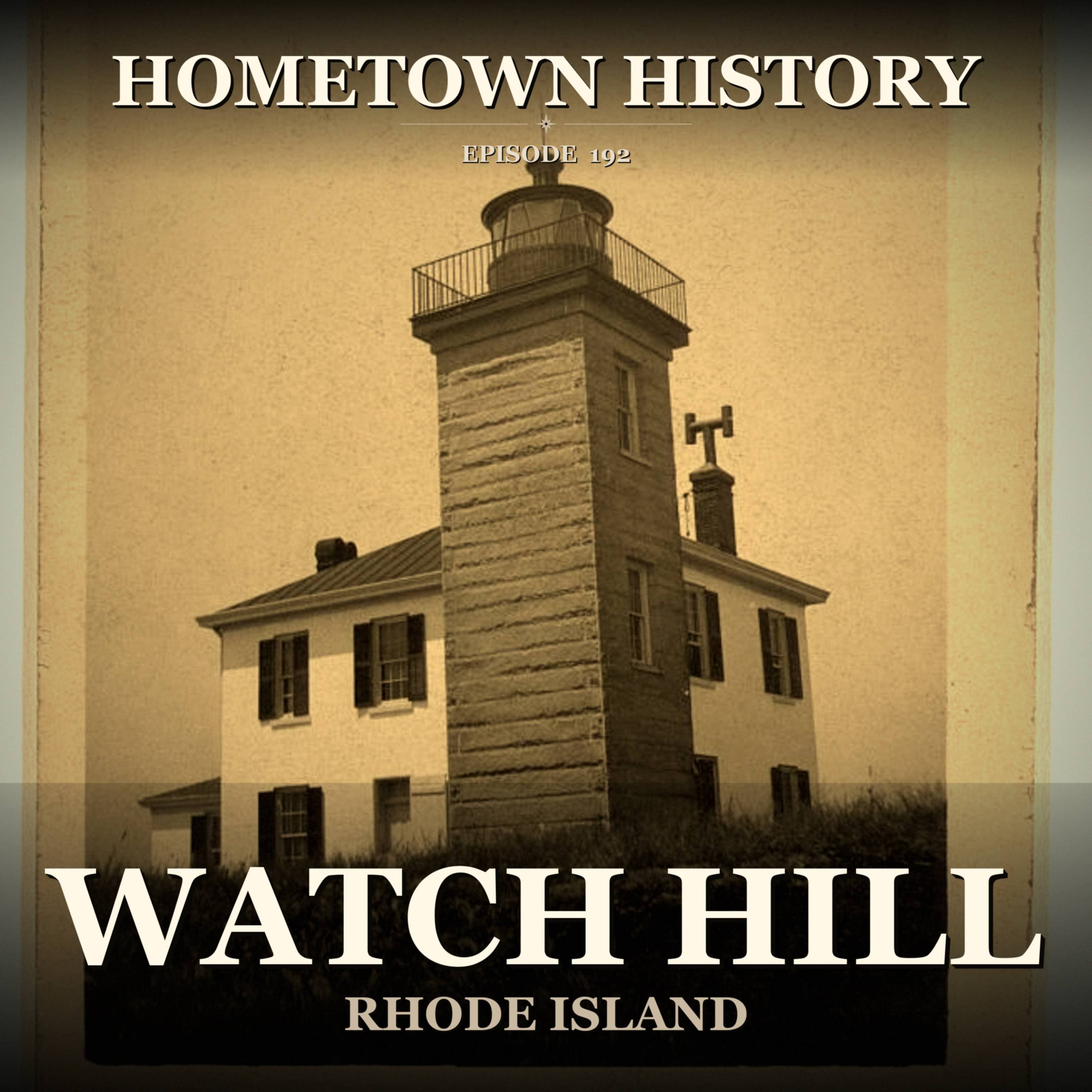
Forgotten stories from America's small towns.Hosted by Shane Waters19 min episode
Watch Hill, Rhode Island: The Fort Road Massacre That Killed 15
Transcript
179 segmentsShow Notes
Watch Hill, Rhode Island. It's one o'clock on a Wednesday afternoon in September 1938. Miss John McKisson Camp is hosting a luncheon on the rocks at Weakapog, just east of Watch Hill, Rhode Island. Her guests gather in their summer finest. Linen dresses, straw hats, the quiet elegance you'd expect from old money families who've summered here for generations. Someone mentions that the sea looks restless today. Another guest points to a strange yellow light hanging over the water.
TIMELINE
1938: By 1938, this exclusive summer retreat had catered to wealthy New York families for nearly half a century.
1945: In 1945, seven years after the hurricane, the Watch Hill Fire District purchased Napotree Point for $10,000.
1966: In 1966, Providence completed the Fox Point hurricane barrier.
WHY THIS MATTERS
The story of Watch Hill is a reminder that the events that shaped America didn't always happen in the biggest cities. What unfolded here left marks on the community that are still visible today. The full story is more complicated, and more human, than the version most people know.
Episode 192 | Hometown History | Hosted by Shane Waters
If you liked this: Episode 171 (Exeter, Rhode Island)
Hometown History explores forgotten stories from small-town America. The overlooked events, hidden triumphs, and buried tragedies that shaped the country we live in. New episodes every Tuesday. Find every episode at mythsandmalice.com/hometown-history
Advertising Inquiries: https://redcircle.com/brands
Privacy & Opt-Out: https://redcircle.com/privacy
Credits
Shane Waters, Founder & Host
Produced by Myths & Malice
Listen to Hometown History
Get More from Hometown History
Unlock exclusive content and support the show.
- Ad-free listening
- Early access to episodes
- Bonus episodes
- Support independent podcasting
the M&M Dispatch
Get new Hometown History episodes and the stories behind the towns we visit.
Enjoying Hometown History?
Leave a rating on Apple Podcasts. It takes a few seconds and helps new listeners find the show.