Forgotten stories from America's small towns.Hosted by Shane Waters26 min episode
Roanoke Island: America's First Vanished Colony
Transcript
190 segmentsShow Notes
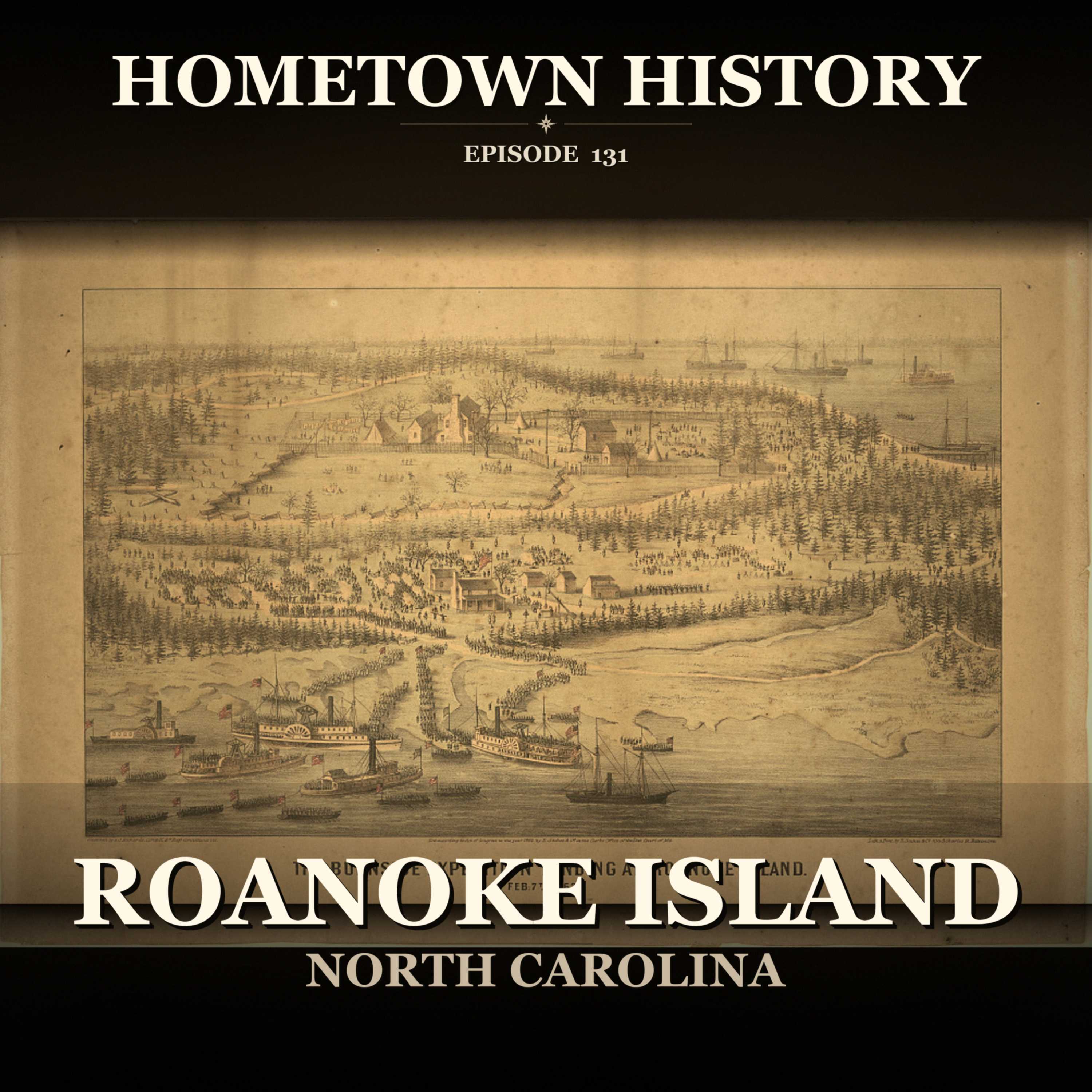
Roanoke Island, North Carolina. In the late 16th century, a group of English settlers landed on Roanoke Island, ready to start a new life in the New World. But soon they all vanished without a trace. Poof, gone. So, where did they go? And in today's episode, we're going to try to solve a mystery. The mystery of the lost colony of Roanoke. Let's rewind. The Roanoke colony was an attempt by Sir Walter Raleigh to establish the first ever permanent English settlement in America.
TIMELINE
1587: On October 16, 1587, the crew finally reached Smurwick on the west coast of Ireland, so White could make his journey down to Southampton.
1605: In the 1605 comedy play Eastward Ho, the lost colonists were humorously imagined to have intermarried with Native Americans, creating a whole country of English people.
1609: By 1609, rumors reached England that the Roanoke colonists had been massacred.
1937: During the years 1937 and 1941, a series of inscribed stones were discovered, apparently written by Eleanor Dare, the daughter of John White.
1998: In 1998, climatologist David W. Stahl and archaeologist Dennis B. Blanton conducted a significant study using bald cypress tree rings.
2019: Later in 2019, plans for further research in the Salmon Creek State Natural Area were announced, showing the continued interest in the matter.
WHY THIS MATTERS
The story of Roanoke Island is a reminder that the events that shaped America didn't always happen in the biggest cities. What unfolded here left marks on the community that are still visible today. The full story is more complicated, and more human, than the version most people know.
Episode 131 | Hometown History | Hosted by Shane Waters
If you liked this: Episode 200 (Bessemer City, North Carolina)
Hometown History explores forgotten stories from small-town America. The overlooked events, hidden triumphs, and buried tragedies that shaped the country we live in. New episodes every Tuesday. Find every episode at mythsandmalice.com/hometown-history
Advertising Inquiries: https://redcircle.com/brands
Privacy & Opt-Out: https://redcircle.com/privacy
Credits
Shane Waters, Founder & Host
Produced by Myths & Malice
Listen to Hometown History
Get More from Hometown History
Unlock exclusive content and support the show.
- Ad-free listening
- Early access to episodes
- Bonus episodes
- Support independent podcasting
the M&M Dispatch
Get new Hometown History episodes and the stories behind the towns we visit.
Enjoying Hometown History?
Leave a rating on Apple Podcasts. It takes a few seconds and helps new listeners find the show.