Forgotten stories from America's small towns.Hosted by Shane Waters12 min episode
Richmond's Spy Mistress: The Elizabeth Van Lew Story
Transcript
87 segmentsShow Notes
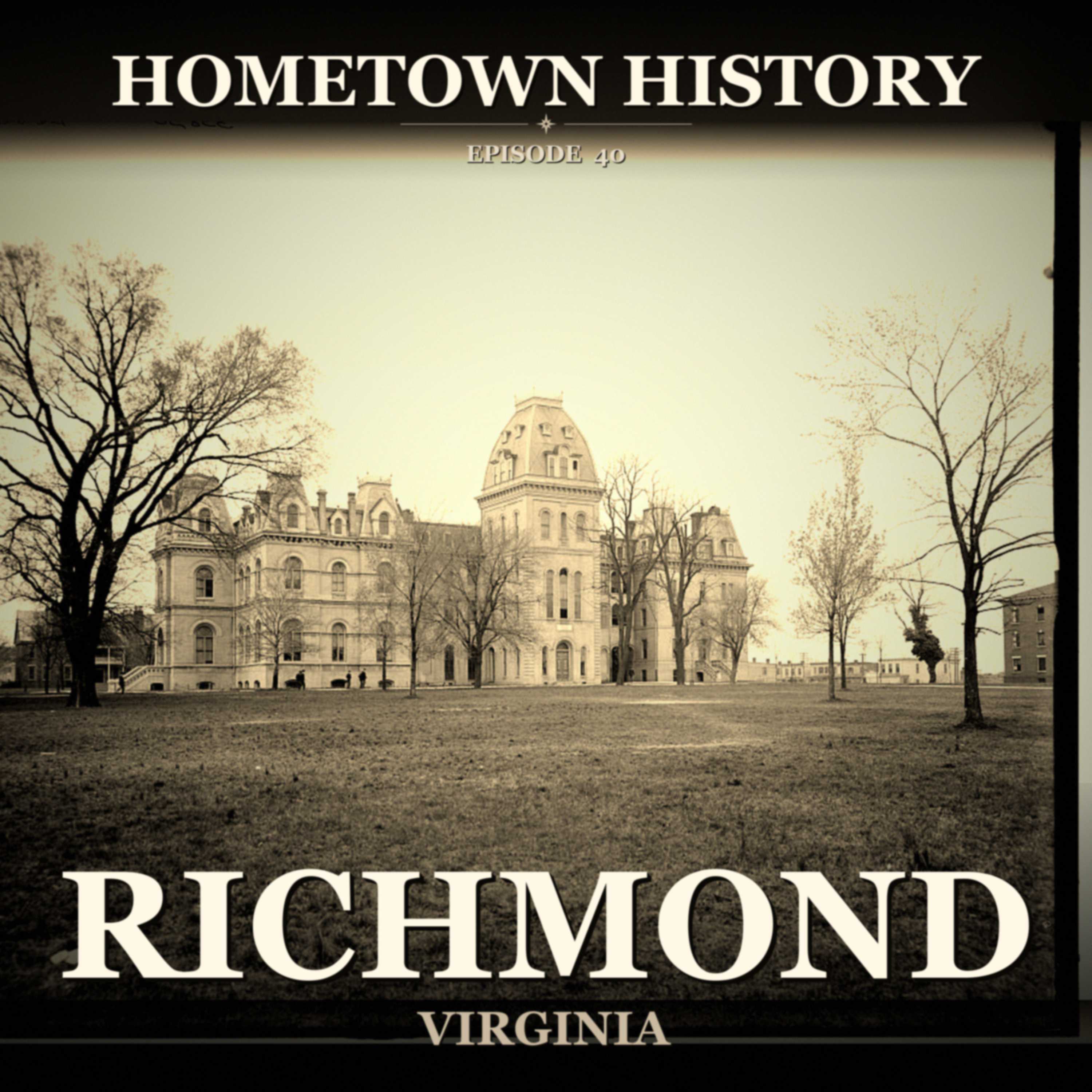
Richmond, Virginia. The year is 1861, and America is on the grips of a bloody civil war that will change it forever. In Richmond, the capital of the new Confederate states, Southern bells and ladies are sewing uniforms, throwing fundraising gallows, and nursing injured soldiers, all with the support of young female slaves. They can't go into the battlefield, but they're doing the best they can to support their husbands, brothers, sweethearts, and fathers.
TIMELINE
1818: Elizabeth Van Loo was born into a wealthy, slave-owning Virginia family in 1818.
1861: The year is 1861, and America is on the grips of a bloody civil war that will change it forever.
1900: When she died in 1900, Elizabeth was alone, broke, and broken.
WHY THIS MATTERS
The story of Richmond is a reminder that the events that shaped America didn't always happen in the biggest cities. What unfolded here left marks on the community that are still visible today. The full story is more complicated, and more human, than the version most people know.
Episode 40 | Hometown History | Hosted by Shane Waters
Hometown History explores forgotten stories from small-town America. The overlooked events, hidden triumphs, and buried tragedies that shaped the country we live in. New episodes every Tuesday. Find every episode at mythsandmalice.com/hometown-history
Advertising Inquiries: https://redcircle.com/brands
Privacy & Opt-Out: https://redcircle.com/privacy
Credits
Shane Waters, Founder & Host
Produced by Myths & Malice
Listen to Hometown History
Get More from Hometown History
Unlock exclusive content and support the show.
- Ad-free listening
- Early access to episodes
- Bonus episodes
- Support independent podcasting
the M&M Dispatch
Get new Hometown History episodes and the stories behind the towns we visit.
Enjoying Hometown History?
Leave a rating on Apple Podcasts. It takes a few seconds and helps new listeners find the show.