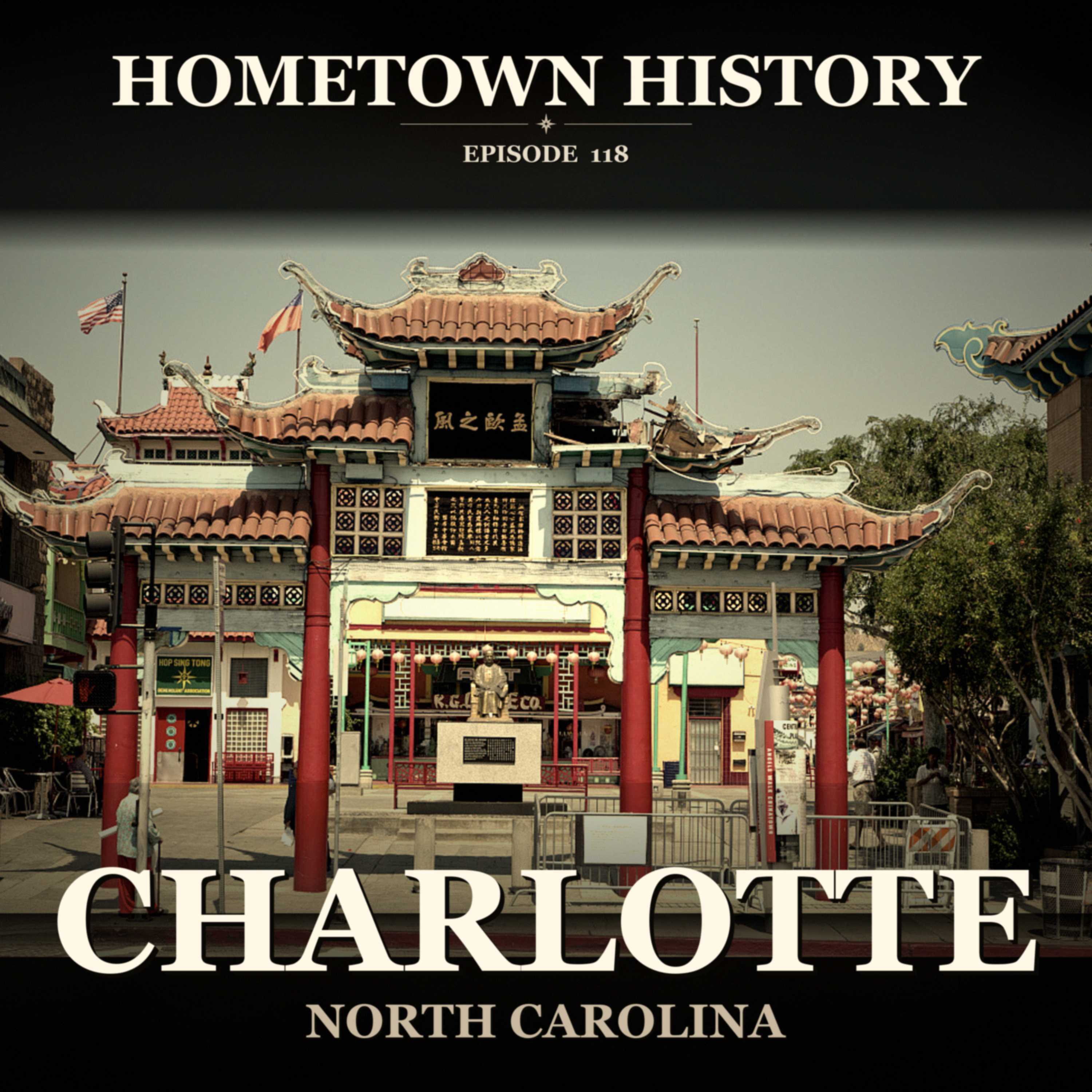
Forgotten stories from America's small towns.Hosted by Shane Waters23 min episode
North Carolina's Forgotten Gold Rush of 1799
Transcript
173 segmentsShow Notes
Charlotte, North Carolina. In the pages of American history, stories of gold, greed, and glory often cast their glimmering shadow. But before the famous California gold rush, a lesser-known, yet equally compelling chapter unfolded. A chapter ignited by a child's curiosity in a shiny rock found in the heart of North Carolina. So, the year is 1799 in the rolling countryside of North Carolina. There's a breeze. The birds are chirping. It's a storybook morning.
WHY THIS MATTERS
The story of Charlotte is a reminder that the events that shaped America didn't always happen in the biggest cities. What unfolded here left marks on the community that are still visible today. The full story is more complicated, and more human, than the version most people know.
Episode 118 | Hometown History | Hosted by Shane Waters
If you liked this: Episode 200 (Bessemer City, North Carolina)
Hometown History explores forgotten stories from small-town America. The overlooked events, hidden triumphs, and buried tragedies that shaped the country we live in. New episodes every Tuesday. Find every episode at mythsandmalice.com/hometown-history
Advertising Inquiries: https://redcircle.com/brands
Privacy & Opt-Out: https://redcircle.com/privacy
Credits
Shane Waters, Founder & Host
Produced by Myths & Malice
Listen to Hometown History
Get More from Hometown History
Unlock exclusive content and support the show.
- Ad-free listening
- Early access to episodes
- Bonus episodes
- Support independent podcasting
the M&M Dispatch
Get new Hometown History episodes and the stories behind the towns we visit.
Enjoying Hometown History?
Leave a rating on Apple Podcasts. It takes a few seconds and helps new listeners find the show.