Show Notes
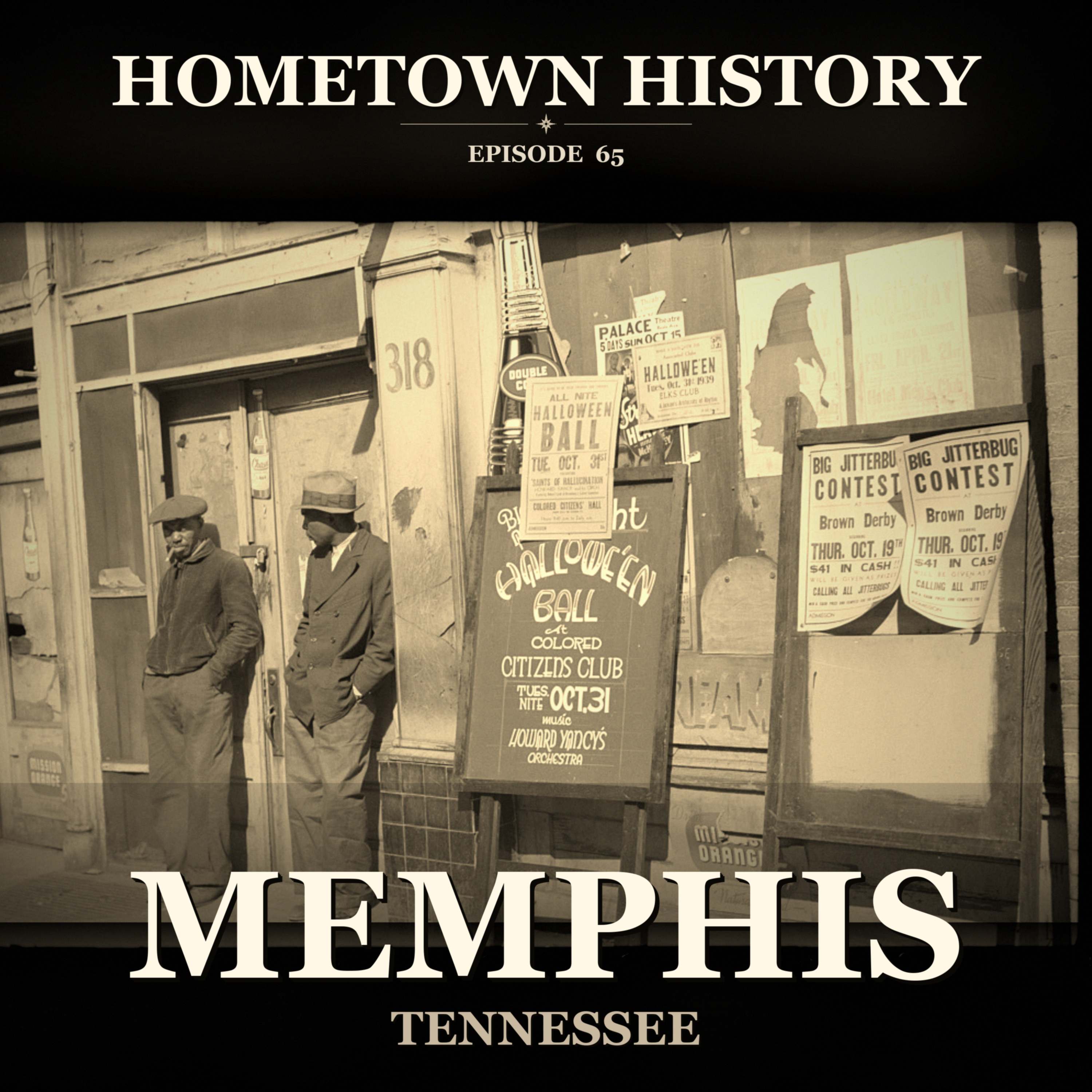
Memphis has always marched to its own beat. From enslaved people forging freedom passes to escape north, to the birthplace of the blues on Beale Street, to becoming ground zero for the civil rights movement—this Tennessee river city built its identity on independence, creativity, and an unwillingness to ask permission. Historian Wayne Dowdy takes us through centuries of Memphis history, from its 1819 founding to the tragedy that changed everything.
Memphis wasn't supposed to survive. The 1878 yellow fever epidemic killed 5,000 residents. The 1866 Memphis Massacre saw white mobs murder 45 Black citizens in three days. But the city's unequal cooperation between Black and white populations—where Black men voted and held office decades before most Southern cities—created a unique tension that eventually exploded in 1968. When sanitation workers struck for basic safety after two men were crushed to death, Mayor Henry Loeb refused to negotiate. Martin Luther King Jr. came to help. Six days later, he was assassinated on a motel balcony.
The murder devastated Memphis's reputation and economy for decades. But true to form, Memphis refused to stay down. Today, the city that gave us W.C. Handy, Piggly Wiggly, and a thousand other innovations channels that same creative independence. As Wayne puts it: "In Memphis, you don't ask permission—you just do it."
Subscribe to Hometown History for forgotten American stories every week. New episodes release Tuesdays.
Show Notes: In This Episode:
- How enslaved Memphian Thomas Blant forged a freedom pass and escaped to Canada
- Why Black men in Memphis could vote when most Southern cities stripped that right
- The 1905 case of Mary Morrison—Memphis's Rosa Parks, 50 years earlier
- What really happened during the 1968 sanitation strike that brought MLK to Memphis
- How Martin Luther King Jr.'s assassination changed Memphis's trajectory for decades
- Why Memphis became "the Sun Belt's dark spot" after 1968
- How the city rebuilt its identity through creativity and adaptive reuse
- The story of Piggly Wiggly—America's first self-service grocery store, invented in Memphis
- What makes Memphis culture different: "You don't ask permission, you just do it"
Key Figures:
- Wayne Dowdy - Senior Manager, Memphis Public Library History Department & Author
- Thomas Blant - Enslaved man who forged freedom pass and escaped to Canada
- Mary Morrison - Challenged streetcar segregation in 1905, 50 years before Rosa Parks
- W.C. Handy - "Father of the Blues," lived and worked on Beale Street
- Echol Cole & Robert Walker - Sanitation workers killed in 1968, sparking strike
- Martin Luther King Jr. - Assassinated in Memphis on April 4, 1968
- Henry Loeb - Memphis mayor who refused to negotiate with striking workers
- Clarence Saunders - Founder of Piggly Wiggly, first self-service grocery store
Timeline:
- 1819: Memphis founded on Mississippi River as small river town
- 1866: Memphis Massacre—45 Black residents murdered over three days
- 1878: Yellow fever epidemic kills 5,000, nearly destroys the city
- 1905: Mary Morrison challenges streetcar segregation, fights to Tennessee Supreme Court
- 1920s: W.C. Handy writes Beale Street Blues and other foundational blues music
- February 1968: Echol Cole and Robert Walker killed by faulty trash compactor
- April 3, 1968: Martin Luther King Jr. delivers "I've Been to the Mountaintop" speech
- April 4, 1968: King assassinated at Lorraine Motel
- 1970s-1990s: Memphis struggles with reputation damage, economic decline
- 2000s-Present: Memphis renaissance through adaptive reuse and creative culture
Tags: Memphis Tennessee history, W.C. Handy, Beale Street, Martin Luther King assassination, 1968 sanitation strike, Memphis civil rights, Memphis music history, Southern history, American history, local history, true story, Blues music history, Memphis massacre 1866, yellow fever epidemic 1878, Rosa Parks Memphis, Lorraine Motel, Henry Loeb, Piggly Wiggly history, Memphis culture, Tennessee history, civil rights movement, forgotten history
Category: History
Chapter Markers: 0:00 - Introduction: If Beale Street Could Talk 2:00 - The Blues and W.C. Handy's Memphis 4:30 - Founded on Independence: Early Memphis (1819) 7:00 - Slavery and Resistance: Thomas Blant's Escape 9:30 - The Memphis Massacre of 1866 11:00 - Unequal Cooperation: Black Voting Rights in Tennessee 13:30 - Mary Morrison: Memphis's Rosa Parks (1905) 16:00 - The 1968 Sanitation Strike Begins 18:30 - Martin Luther King Jr. Comes to Memphis 20:00 - April 4, 1968: The Assassination 22:00 - "Decaying River Town": Memphis After King's Death 25:00 - The Sun Belt's Dark Spot: Economic Decline 27:00 - Memphis Renaissance: Creativity and Independence 29:00 - Piggly Wiggly and the Memphis Spirit 31:00 - Conclusion: Next Episode Preview (Sun Studio)
Support this podcast at — https://redcircle.com/hometownhistory/exclusive-content
Advertising Inquiries: https://redcircle.com/brands
Privacy & Opt-Out: https://redcircle.com/privacy
Credits
Shane Waters — Founder & Host
Produced by Myths & Malice