Memphis, Tennessee: Dewey Phillips and the Birth of Rock 'n' Roll Radio
Show Notes
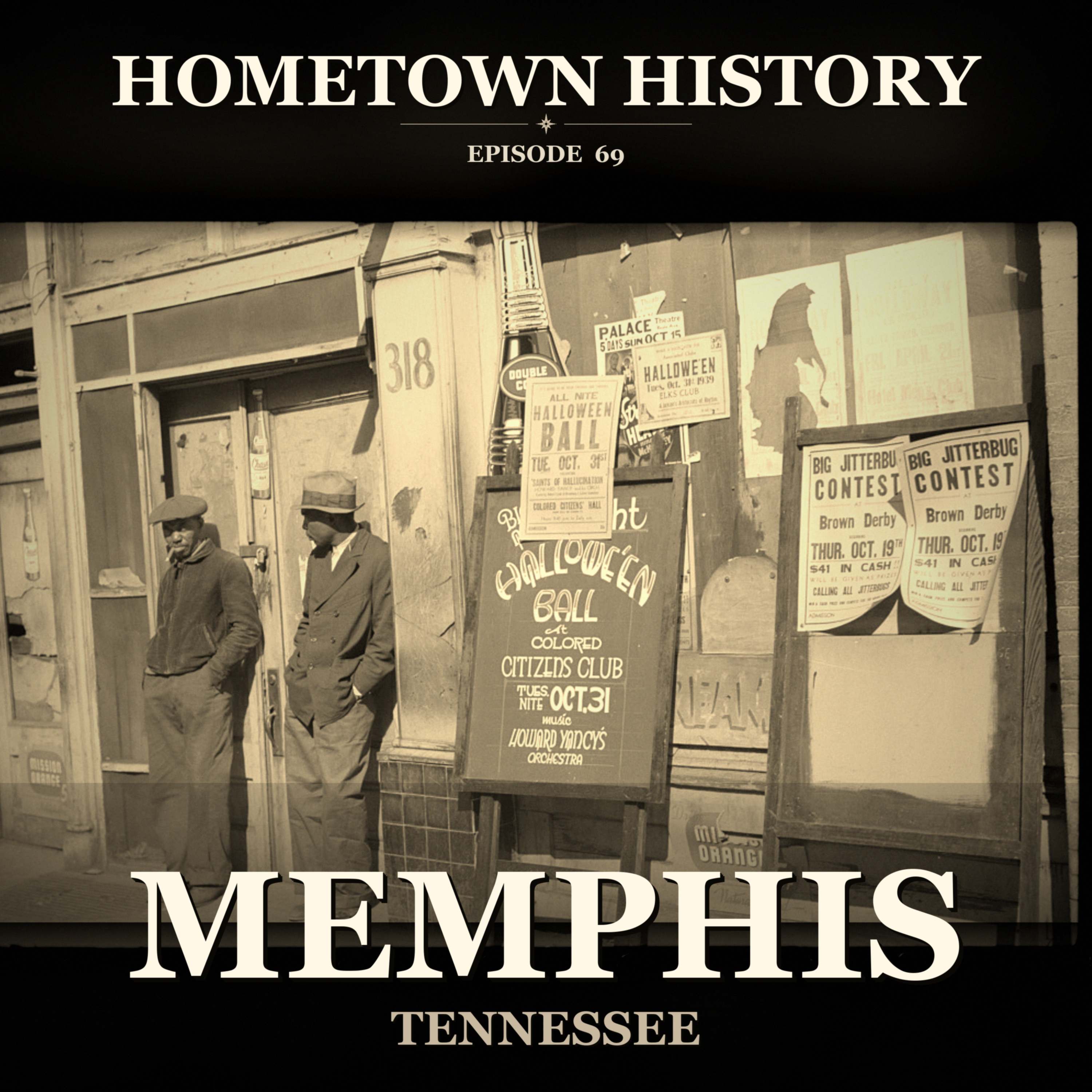
In 1949, a 23-year-old World War II veteran with severe PTSD and a manic energy walked into a Memphis radio station and changed American music forever. Dewey Phillips launched his groundbreaking show "Red, Hot & Blue" on WHBQ radio on November 3, 1949, broadcasting from the Gayoso Hotel before moving to the mezzanine floor of the Chisca Hotel in 1953. At a time when Memphis was deeply segregated and most radio stations played either "black music" or "white music," Dewey did something revolutionary—he played whatever moved him, from Howlin' Wolf to Frank Sinatra, Hank Williams to rhythm and blues. His frantic, speed-crazed delivery and warm personality attracted over 100,000 listeners nightly, including both black and white audiences who tuned in to hear music they couldn't find anywhere else on the dial.
This is Part 3 of our Sun Studio series, exploring the connections between Memphis radio, Sam Phillips' recording studio at 706 Union Avenue, and the birth of rock and roll. While Sam Phillips opened Memphis Recording Service in 1950, it was Dewey Phillips (no relation) who provided the crucial missing link between the studio and Memphis' black music community on Beale Street. As one of the few white men who regularly walked Beale Street's clubs and venues, Dewey became Sam's gateway to the incredible blues artists who would record at Sun Studio—including B.B. King, Howlin' Wolf, Rufus Thomas, and Roscoe Gordon.
Dewey's most famous moment came on July 8, 1954, when Sam Phillips brought him an acetate recording of an unknown 18-year-old truck driver singing "That's All Right." Dewey played Elvis Presley's first record repeatedly that night as the WHBQ switchboard lit up with calls. He tracked Elvis down at a local movie theater and brought him to the Chisca Hotel studio for his first radio interview—a moment that helped launch Elvis' career and rock and roll itself. But Dewey's influence extended far beyond that one historic evening. His willingness to break racial barriers on Memphis airwaves helped create the integrated musical environment that made Sun Studio's success possible.
Behind the manic radio persona was a deeply troubled veteran. Dewey survived the Battle of Hürtgen Forest, one of World War II's bloodiest engagements, and returned with severe PTSD, an amphetamine addiction, and alcohol dependency. His on-air chaos—playing two records simultaneously, making strange noises, talking in multiple voices—was partly performance art and partly the manifestation of his internal struggles. After suffering injuries in a car accident, he became addicted to pain medication as well. Yet through it all, he remained a beloved figure who genuinely connected with his diverse audience, calling them his "good people" and creating a space where music transcended racial divisions.
When WHBQ adopted a rigid Top 40 format in late 1958, they fired Dewey Phillips despite his still-massive audience. He spent the final decade of his life bouncing between smaller radio stations, never able to recapture the magic of his prime years. He died of heart failure on September 28, 1968, at age 42. The Broadway musical "Memphis" is loosely based on his life and career, though it blends elements of other pioneering DJs like Alan Freed as well. Dewey's legacy endures as the man who proved that good music could bring people together across racial lines—and that sometimes the most revolutionary thing you can do is simply play what you love.
Support this podcast at — https://redcircle.com/hometownhistory/exclusive-content
Advertising Inquiries: https://redcircle.com/brands
Privacy & Opt-Out: https://redcircle.com/privacy
Credits
Shane Waters — Founder & Host
Produced by Myths & Malice