Forgotten stories from America's small towns.Hosted by Shane Waters15 min episode
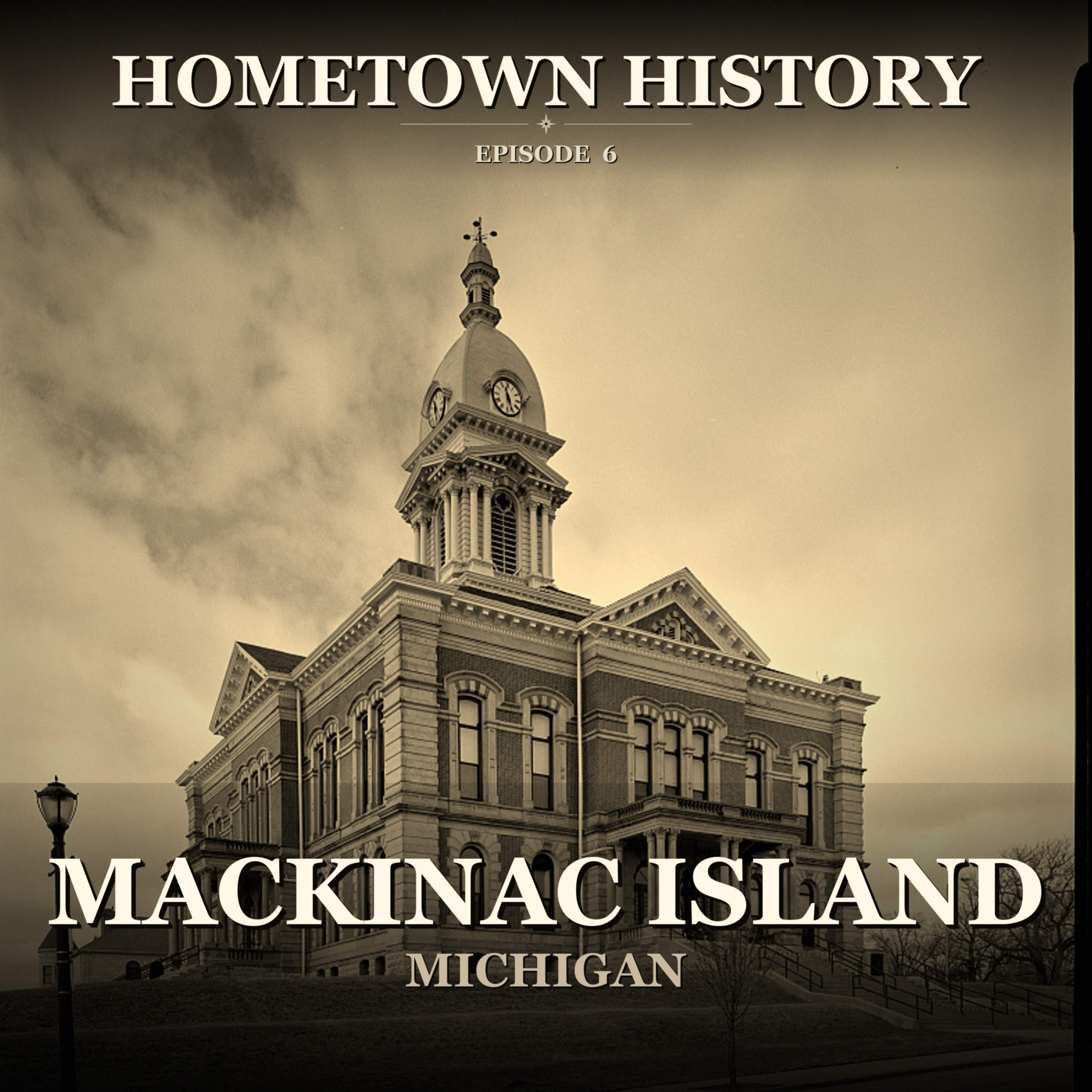
Mackinac Island: Where Cars Were Banned in 1898
Transcript
92 segmentsShow Notes
When you arrive at Mackinac Island, the first thing you notice is the way it sounds. You realize you've never been in civilization for this long. In towns and streets, and restaurants and post offices. Without the sound of internal combustion. Without any horns, or any amped up stereo systems, or traffic jams, or the people beside you lip-syncing obnoxiously behind the rolled-up windows of their cars.
TIMELINE
1812: Just days into the War of 1812, the British had reclaimed Fort Mackinac by surrounding it with forces outnumbering its defenders, 10 to 1.
1875: About 50 years later, in 1875, Mackinac Island was named, after Yellowstone National Park, America's second national park.
1898: Horse-drawn carriages remain, much as they were in 1898, the primary mode of public transportation.
1903: Five years before Henry Ford founded the Ford Motor Company in 1903, a few hours south in Detroit.
WHY THIS MATTERS
The story of Mackinac Island is a reminder that the events that shaped America didn't always happen in the biggest cities. What unfolded here left marks on the community that are still visible today. The full story is more complicated, and more human, than the version most people know.
Episode 6 | Hometown History | Hosted by Shane Waters
Hometown History explores forgotten stories from small-town America. The overlooked events, hidden triumphs, and buried tragedies that shaped the country we live in. New episodes every Tuesday. Find every episode at mythsandmalice.com/hometown-history
Advertising Inquiries: https://redcircle.com/brands
Privacy & Opt-Out: https://redcircle.com/privacy
Credits
Shane Waters, Founder & Host
Produced by Myths & Malice
Listen to Hometown History
Get More from Hometown History
Unlock exclusive content and support the show.
- Ad-free listening
- Early access to episodes
- Bonus episodes
- Support independent podcasting
the M&M Dispatch
Get new Hometown History episodes and the stories behind the towns we visit.
Enjoying Hometown History?
Leave a rating on Apple Podcasts. It takes a few seconds and helps new listeners find the show.