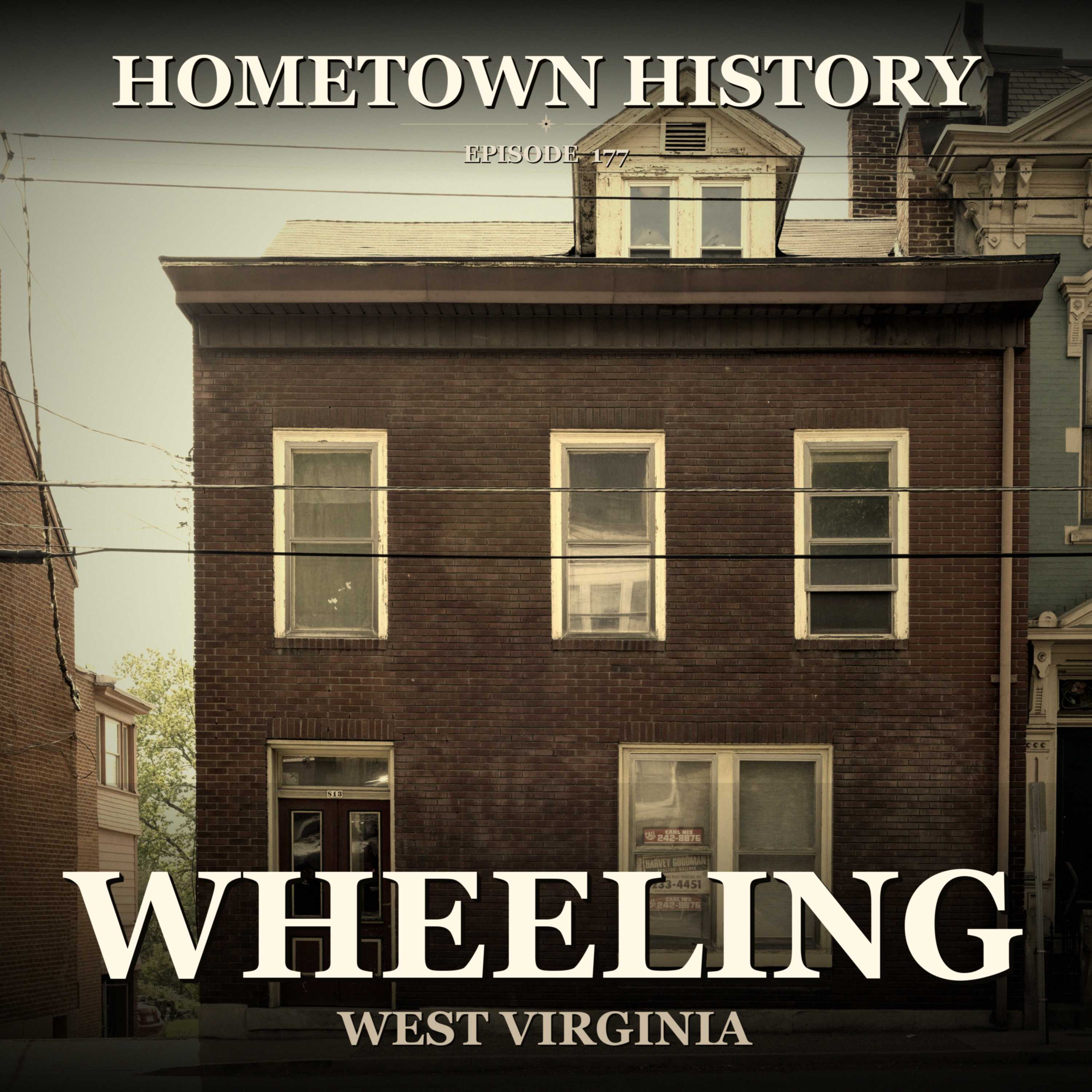
Forgotten stories from America's small towns.Hosted by Shane Waters25 min episode
Wheeling, West Virginia: When Steel Workers Became Radio Stars
Transcript
224 segmentsShow Notes
Wheeling, West Virginia. It's a Sunday afternoon in late 1939. 3,000 people pack into Wheeling's Capitol Theater, West Virginia's largest venue between Pittsburgh and Cincinnati. But they're not here for a movie. They're not here for vaudeville. They're here to watch their neighbors perform on a national radio broadcast. The orchestra tunes up on stage. 42 musicians, machinists, crane operators, stenographers, dressed in matching uniforms. The Steel Sisters rehearse in their harmonies backstage.
TIMELINE
1930: In 1930, historian Ann O'Hare McCormick writes, The radio has been a bigger factor than the press.
1934: Membership in the Amalgamated Association jumps to more than 150,000 by February 1934.
1936: The first broadcast is scheduled for November 8th, 1936.
1937: Wheeling Steel signs a union contract with steel workers in spring 1937.
1938: By 1938, there are more than 600 licensed stations.
WHY THIS MATTERS
The story of Wheeling is a reminder that the events that shaped America didn't always happen in the biggest cities. What unfolded here left marks on the community that are still visible today. The full story is more complicated, and more human, than the version most people know.
Episode 177 | Hometown History | Hosted by Shane Waters
If you liked this: Episode 178 (Gauley Bridge, West Virginia)
Hometown History explores forgotten stories from small-town America. The overlooked events, hidden triumphs, and buried tragedies that shaped the country we live in. New episodes every Tuesday. Find every episode at mythsandmalice.com/hometown-history
Advertising Inquiries: https://redcircle.com/brands
Privacy & Opt-Out: https://redcircle.com/privacy
Credits
Shane Waters, Founder & Host
Produced by Myths & Malice
Listen to Hometown History
Get More from Hometown History
Unlock exclusive content and support the show.
- Ad-free listening
- Early access to episodes
- Bonus episodes
- Support independent podcasting
the M&M Dispatch
Get new Hometown History episodes and the stories behind the towns we visit.
Enjoying Hometown History?
Leave a rating on Apple Podcasts. It takes a few seconds and helps new listeners find the show.